


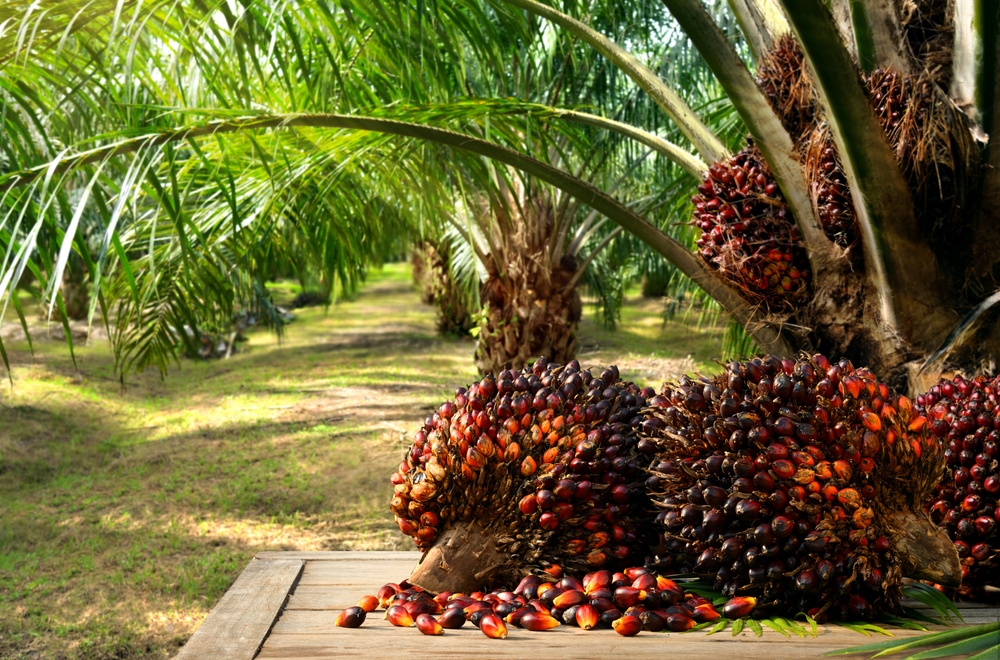

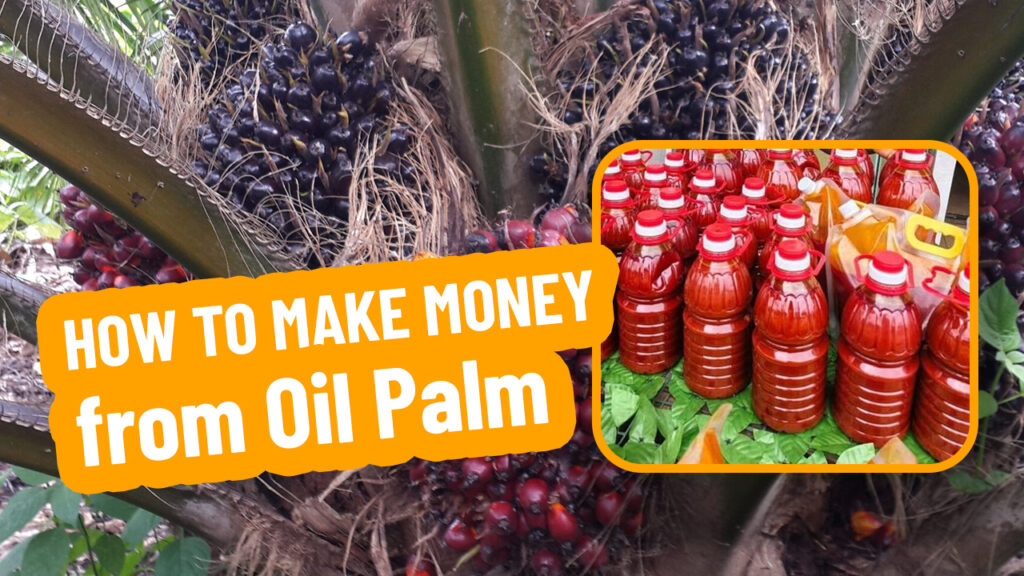

Starting a palm oil business in Nigeria is a fantastic venture, especially with the increasing global demand for this versatile product. With the right knowledge, planning, and execution, you can tap into a market that not only promises profits but also contributes significantly to the local economy. This guide will take you through everything you need to know, from choosing the best locations to understanding the market dynamics. Let’s dive in!
Step-by-Step Guide to Launching a Palm Oil Business
Research and Planning
The very first step in starting your palm oil business is to conduct thorough research. This means diving deep into the palm oil industry to understand its dynamics. Start by looking into the current market trends—what’s the demand for palm oil like, and who are the major players in the industry? You should explore consumer preferences, as these can vary significantly by region and demographics. Visit local markets, talk to vendors, and observe what types of palm oil products are popular.
Once you gather this information, draft a detailed business plan. This document should outline your goals, target market, and strategies for reaching that market. Think about the challenges you might face and how you plan to overcome them. This plan will serve as your roadmap, guiding you through the various phases of your business development.
Site Selection
Choosing the right location is crucial for your palm oil business. Look for land that has fertile soil and a reliable water supply, as these are key ingredients for successful palm oil cultivation. Visit different sites to assess their soil quality. You can do this by examining the land—look for dark, rich soil that holds moisture well. Additionally, consider the climate of the area; palm oil thrives in tropical climates with adequate rainfall. Speak to local farmers or agricultural experts to gain insights into the best locations for palm oil cultivation in your region.
Acquire Land
Once you’ve identified a suitable site, the next step is to secure the land. You can either purchase or lease the land, depending on your financial situation and long-term plans. Ensure that the land you choose is zoned for agricultural use and meets local agricultural standards. It’s a good idea to consult with a real estate agent who has experience in agricultural properties, as they can help you navigate the legalities involved in land acquisition. Be prepared to negotiate terms and ensure all agreements are documented properly to avoid disputes later.
Obtain Funding
Starting any business requires financial backing, and palm oil farming is no exception. Explore various funding options available to you. These could include loans from banks, grants from government programs aimed at promoting agriculture, or even partnerships with investors who are interested in the agricultural sector. When seeking funding, be prepared to present your business plan to potential lenders or investors, highlighting how you intend to use the funds and what returns they can expect. This will instill confidence in your venture.
Purchase Seeds and Equipment
Now, let’s focus on one of the most critical aspects of your palm oil business: selecting the right seedlings.
Choosing the Right Seedlings
When it comes to oil palm seedlings, not all are created equal. The most recommended variety for optimal production in Nigeria is the Dura x Pisifera hybrid, commonly referred to as the D x P hybrid. This hybrid is a result of crossbreeding and combines the desirable traits of both the Dura and Pisifera varieties.
- Dura Variety: Dura palms are known for their thicker shells and high oil content, making them valuable for oil extraction. However, they tend to have a lower yield compared to hybrids.
- Pisifera Variety: Pisifera palms produce a lot of fruit, but they lack the genetic material necessary to produce viable seeds. Therefore, they are usually used as a parent in hybridization to enhance yield and oil quality.
The D x P hybrid offers a balance between the two, providing high yields and good oil quality, making it the preferred choice among many farmers.
Reasons for Choosing D x P Hybrids
- Higher Yield: These hybrids can yield between 20 to 25 tons of fresh fruit bunches (FFB) per hectare annually, significantly more than traditional varieties. This increased yield translates directly into more oil production.
- Oil Quality: The oil extracted from D x P hybrids typically has a higher oil content and better quality, which can fetch better prices in the market.
- Disease Resistance: Hybrids tend to be more resilient against diseases, reducing the risk of crop failure. This resilience can save you money on treatments and prevent losses.
- Market Demand: Due to their higher yields and quality, D x P hybrids are in demand, making it easier for you to sell your products.
When purchasing seedlings, make sure to source them from reputable nurseries that can guarantee their quality. It’s crucial to check for certifications or endorsements from agricultural authorities to ensure that the seedlings are disease-free and have been produced under the right conditions.
In addition to seedlings, you will need to acquire the necessary farming equipment. This includes tools for planting, such as hoes and shovels, as well as larger machinery for harvesting and processing. Investing in the right equipment can significantly impact your productivity, so consider your options carefully.
Plant and Maintain
Now comes the exciting part—planting your oil palms. Before you begin, it’s essential to prepare the land thoroughly. Start by clearing any weeds or debris, then ensure the soil is well-tilled to promote healthy root growth.
Spacing Your Oil Palm Seedlings
When planting oil palm seedlings, proper spacing is crucial. Typically, a distance of 9 to 10 meters between each tree is recommended. Here’s why this spacing is important:
- Sunlight Exposure: Oil palm trees require ample sunlight for photosynthesis. Adequate spacing ensures that each tree receives enough light without being overshadowed by its neighbors. This is especially important as the trees mature and their canopies expand.
- Air Circulation: Good airflow around each tree helps reduce the risk of fungal diseases and pests. Crowded trees may trap moisture and humidity, creating an environment conducive to diseases.
- Nutrient Access: Adequate spacing allows the roots of each tree to access nutrients and water without competition. Overcrowded trees may struggle to obtain the necessary resources, which can lead to stunted growth and lower yields.
- Ease of Maintenance: Proper spacing makes it easier to perform maintenance activities such as pruning, fertilizing, and harvesting. You’ll find it much more manageable to navigate between trees without damaging them.
Once you’ve planted your seedlings, your job isn’t done. Regular maintenance is key to ensuring healthy growth. This includes consistent watering, especially during dry spells, and applying fertilizers to ensure your trees receive the necessary nutrients. Monitor your palms closely for any signs of pests or diseases, and be prepared to take action at the first sign of trouble.
Intercropping with Oil Palms
Intercropping can be a smart strategy to maximize land use and enhance profitability. By planting compatible crops alongside your oil palms, you can create a more diverse farming system. Here are some excellent options for intercrops and why they work well:
- Cassava: This drought-resistant crop thrives in the shade provided by oil palms. Cassava is a staple food in Nigeria and has a ready market, providing an additional source of income. It has a relatively low nutrient requirement, making it an ideal companion for young oil palms that may compete for nutrients.
- Cocoa: Like cassava, cocoa can also thrive in shaded conditions. Intercropping cocoa with oil palms allows farmers to diversify their income streams, especially since cocoa is a high-value crop. The shade from the oil palms helps protect cocoa seedlings from direct sunlight, while the cocoa trees can benefit from the nutrient-rich environment created by the oil palms.
- Maize: Planting maize between oil palm rows can optimize land use during the early years of the oil palms. Maize grows quickly and can be harvested before the oil palms fully mature and shade the ground. This practice provides immediate cash flow while waiting for the oil palms to reach maturity.
- Leguminous Plants: Consider planting legumes, such as groundnuts or soybeans, which can enhance soil fertility through nitrogen fixation. These plants improve the overall health of the soil, benefiting the oil palms in the long run. Additionally, they provide a marketable crop that can be harvested before the palms take full canopy coverage.
When selecting intercrops, it’s essential to consider the growth habits, nutrient requirements, and harvesting times of each crop. Choose plants that won’t compete heavily for the same resources as the oil palms. This strategy not only maximizes land use but also contributes to soil health and pest management, ultimately increasing the overall productivity of your palm oil farm.
By focusing on proper planting techniques, spacing, and thoughtful intercropping, you can create a thriving palm oil plantation that yields high returns while promoting sustainable farming practices. Each of these steps is vital in laying the groundwork for a successful venture in the palm oil industry.
What Are the Best States in Nigeria to Start a Palm Oil Business?
Overview of Ideal Locations
When it comes to palm oil production, choosing the right location is crucial for success. In Nigeria, several states stand out as excellent choices for starting a palm oil business, thanks to their fertile land, favorable climate, and established agricultural practices. Here are some of the best states to consider:
Edo State: Edo State is emerging as a key player in the palm oil sector. The state’s favorable soil conditions and government support for agricultural development make it a promising choice for aspiring palm oil entrepreneurs.
Rivers State: Known for its rich, loamy soil and a climate that supports healthy palm oil growth, Rivers State is one of Nigeria’s largest producers of palm oil. The state has a long history of palm oil cultivation, making it an ideal location for both new and established farmers.
Akwa Ibom: This state boasts a robust agricultural sector, making it highly suitable for palm oil cultivation. The government actively supports agricultural initiatives, providing resources and incentives for farmers.
Cross River: With its lush climate and fertile land, Cross River is another prime location for palm oil production. The state enjoys ample rainfall, which is essential for nurturing oil palm trees and ensuring high yields.
Delta State: Delta State has a rich history in palm oil production, with many local farmers experienced in the cultivation process. This established expertise can be a valuable resource for newcomers to the industry.
Key Factors to Consider
When selecting a location for your palm oil business, there are several important factors to keep in mind:
- Soil Quality: Ensure that the soil is fertile and well-drained, as oil palm trees thrive in loamy soils rich in organic matter. Soil testing can help determine its nutrient content and pH level.
- Climate Conditions: The ideal climate for palm oil cultivation includes consistent rainfall (about 2000 mm per year) and warm temperatures ranging from 24°C to 32°C. Consider the local climate patterns and whether they align with these conditions.
- Accessibility to Transportation Routes: Proximity to major roads and transportation networks is vital for the efficient movement of products to markets. This will help reduce transportation costs and enhance your business’s profitability.
- Proximity to Markets: Being close to your target market can help you quickly respond to demand and sell your products at competitive prices. Research the market dynamics in the region to understand consumer preferences.
- Local Regulations and Support Systems: Familiarize yourself with any agricultural regulations that may impact your business. Additionally, explore any government initiatives or agricultural support systems that can provide resources or assistance.
By carefully considering these factors, you can select the best location for your palm oil business in Nigeria, setting the stage for a successful and profitable venture.
How Much Capital Is Needed for Large-Scale Palm Oil Production?
Initial Investment Requirements
When considering large-scale palm oil production, the first thing to understand is that the initial investment is significant. This investment will encompass various costs essential for establishing your plantation and ensuring its successful operation. Below are the key components of the initial investment:
- Land Acquisition: The cost of purchasing or leasing land varies widely depending on the location and size. Fertile land suitable for oil palm cultivation is often in high demand, especially in states like Rivers, Akwa Ibom, Cross River, Delta, and Edo. Depending on the region and the size of land needed, you might be looking at an investment of several million naira.
- Seedlings: High-quality oil palm seedlings are crucial for ensuring good yields. The cost of seedlings can range from ₦10 to ₦20 per seedling, depending on the variety and source. For a large-scale operation, you may need thousands of seedlings, so factor in this cost when budgeting.
- Equipment and Infrastructure: Investing in the right equipment is vital for efficient farming operations. This includes machinery for planting, harvesting, and processing, as well as vehicles for transporting products. Depending on the size of your operation, the cost for equipment can range from ₦2 million to ₦10 million or more. Additionally, infrastructure costs such as roads, storage facilities, and irrigation systems should also be included in your budget.
- Labor: Labor costs are another essential part of the initial investment. Depending on the size of your plantation, you will need to hire skilled labor for planting, maintenance, and harvesting. Be prepared for both regular salaries and additional costs for training your workforce.
Operating Costs
Once your palm oil production business is up and running, ongoing expenses will come into play. Understanding these costs is crucial for long-term financial planning. Here are the main components of operating costs:
- Labor: Beyond initial hiring, you’ll need to account for ongoing labor costs. This includes wages for farm workers, management staff, and any additional personnel required for processing and marketing.
- Maintenance: Regular maintenance of equipment and infrastructure is essential to ensure smooth operations. This includes servicing machinery, repairing roads, and maintaining irrigation systems.
- Fertilizers and Pesticides: To maintain high yields, you will need to invest in fertilizers and pest management solutions regularly. The cost will depend on the scale of your operation and the specific needs of your soil and crops.
- Marketing and Distribution: Once your palm oil is produced, you’ll need to consider how to market and distribute it effectively. This may include packaging, transportation, and promotional costs.
- Miscellaneous Costs: Don’t forget to budget for miscellaneous expenses, such as utilities, insurance, and unexpected repairs.
Summary
In total, the initial investment for large-scale palm oil production can range from several million to tens of millions of naira, depending on your operation’s size and scale. Understanding both your initial investment and ongoing operating costs is crucial for successful financial planning and ensuring the long-term profitability of your palm oil business. By preparing for these financial commitments, you can set the foundation for a sustainable and successful palm oil production venture in Nigeria.
What Are the Risks Involved in Palm Oil Production in Nigeria?
Starting any business comes with its fair share of risks. Here are some key areas to keep in mind:
Financial Risks
Initial investments in land, equipment, and labor can be substantial. Without proper planning and market understanding, you may face financial strain. Additionally, fluctuations in palm oil prices can impact profitability.
Environmental Risks
Deforestation and biodiversity loss are significant concerns in palm oil production. As a responsible business owner, you’ll need to implement sustainable practices to mitigate environmental impacts and comply with regulations.
Market Risks
Market dynamics can change rapidly. The demand for palm oil is influenced by global trends, local consumption habits, and competition. Keeping a pulse on these factors will help you adapt and stay competitive.
How Do Government Policies Impact the Palm Oil Industry in Nigeria?
Regulatory Framework
The Nigerian government has put in place various regulations to govern the palm oil sector. Understanding these regulations is crucial for compliance and success. For instance, licensing, land use regulations, and environmental laws must be adhered to.
Support Programs and Incentives
The government also offers several support programs aimed at boosting agricultural production. These can include grants, subsidies, and technical assistance for farmers and producers. Familiarize yourself with these programs as they can provide a significant advantage.
What Are the Key Factors That Affect Palm Oil Prices in Nigeria?
Supply and Demand Dynamics
Like any commodity, the price of palm oil is significantly affected by supply and demand. When demand outstrips supply, prices soar. Keeping an eye on local and international market trends will help you make informed decisions.
Global Market Influences
Changes in global palm oil markets can impact local prices. Factors such as trade agreements, tariffs, and competition from other countries like Indonesia and Malaysia should be monitored closely.
How Much Capital Is Needed for Large-Scale Palm Oil Production?
Initial Investment Requirements
Starting a large-scale palm oil production business requires a substantial initial investment. This includes costs for land acquisition, seedlings, equipment, and infrastructure. Depending on your scale, you might need several million naira to get started.
Operating Costs
Ongoing expenses, including labor, maintenance, and marketing, must also be factored into your budget. Having a clear understanding of both initial and recurring costs will help you plan effectively.
Conclusion
Starting a successful palm oil business in Nigeria can be a rewarding venture, both economically and socially. By following the step-by-step guide outlined in this article, you can navigate the complexities of the palm oil industry with confidence. From conducting thorough research and planning to selecting the right seedlings and implementing effective farming practices, each step plays a crucial role in establishing a profitable business.
It’s essential to stay informed about the best states for palm oil cultivation, understand the financial requirements, and develop a robust export strategy to tap into international markets. Additionally, consider leveraging modern technology and sustainable farming practices to enhance productivity and ensure the longevity of your palm oil plantation.
At Silvawell Limited, we offer comprehensive Oil Palm Farm Investment Services and expert Farm Management Services to support your palm oil business at every stage. Our experienced team can guide you through the intricacies of starting and managing your palm oil plantation, ensuring compliance with all regulations, and maximizing your profitability. Partner with us to unlock the full potential of your palm oil investment and make your mark in the global market.


