


Not all oil palm investments deliver equal returns. Two investors can put money into oil palm estates in Nigeria and emerge with vastly different outcomes — one with a consistently producing, appreciating estate and another with underperforming trees, management problems, and disappointing income. The difference is almost never the crop. Oil palm is oil palm. The difference is in the decisions made before the first seed goes into the ground.
This article outlines every significant factor that determines your oil palm investment ROI in Nigeria — and explains exactly how to ensure your investment is positioned to deliver the best possible returns over the life of your estate.
ROI Factor 1 — Seedling Quality: The Foundation of Everything
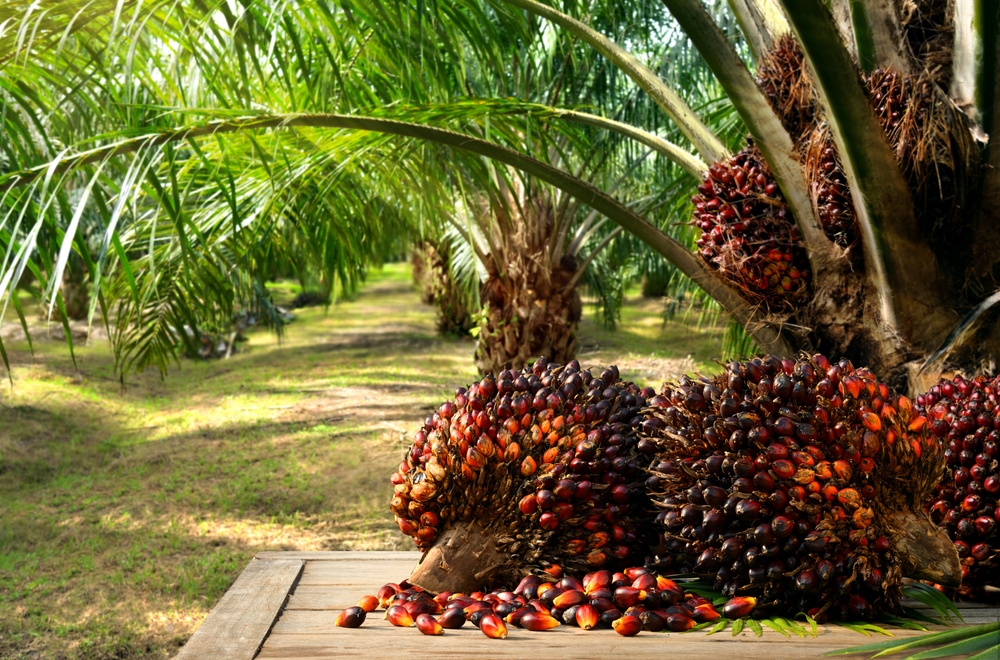
The single most impactful decision in oil palm investment is the variety of seedling planted. The difference between a high-yielding Tenera hybrid and a low-yielding Dura variety is not marginal — it is transformational. Tenera hybrids, developed and certified by the Nigerian Institute for Oil Palm Research (NIFOR) in Benin City, produce fresh fruit bunches with an oil extraction rate of 20 to 22 percent. Dura varieties produce at 10 to 15 percent. That difference in extraction rate translates directly into the mill gate price your FFBs command — and therefore into your annual income.
SilvaWell sources exclusively certified NIFOR Tenera hybrid seedlings for all investor estates. This is not a premium option or an upgrade. It is the baseline standard, because planting anything less is simply not compatible with maximising investor returns.
ROI Factor 2 — Location: Soil, Climate, and Infrastructure
Oil palm thrives in specific conditions: deep, well-drained soils, consistent rainfall of 1,500 to 3,000mm annually, and temperatures between 24 and 32 degrees Celsius. Edo State’s agro-ecological profile matches these requirements closely — which is precisely why it has historically been at the centre of Nigeria’s commercial palm oil industry.
Beyond soil and climate, location affects ROI through proximity to processing infrastructure. FFBs are time-sensitive — they must reach a processing mill within 24 to 48 hours of harvest to achieve optimal oil quality and maximum extraction rate. SilvaWell’s Edo State estates are positioned within the established palm oil processing corridor, minimising transport time and ensuring that investors receive premium mill gate pricing for their harvests.
ROI Factor 3 — Management Quality: The Difference Between Potential and Performance
A well-located estate with excellent seedlings will still underperform if management is poor. Oil palm requires consistent, expert agronomic management across its entire productive life: timely weeding, correct fertilisation schedules, effective pest and disease management, and optimal harvest timing. Each of these variables, if mishandled, directly reduces yield and therefore reduces investor income.
For managed estate investors, management quality is therefore the most critical variable within the investment company’s control. When evaluating any managed oil palm investment in Nigeria, ask detailed questions about the management team’s experience, their agronomic protocols, how farm performance is monitored, and what accountability mechanisms exist if management targets are missed.
SilvaWell’s farm management team operates from Benin City, Edo State — on the ground, in the palm oil belt, with the field experience that only comes from operating in this environment over time. Investors are always welcome to visit their plots and inspect farm conditions directly.
ROI Factor 4 — Intercropping: Income While You Wait
One of the most effective strategies for maximising total ROI from an oil palm investment is the use of productive intercropping during the pre-production years. Between planting and the first FFB harvest at approximately year three, the land is productive but not yet generating oil palm income. Plantain intercropping fills this gap.
SilvaWell establishes plantain between young oil palm rows as a standard element of farm management. This generates income from year one — income that, when calculated against the total cost of the investment, meaningfully improves the all-in return profile of the estate compared to an investment that simply waited idle for three years before generating any cash flow.
ROI Factor 5 — Harvest Timing and Mill Relationships
The price an investor receives for their fresh fruit bunches depends significantly on two operational factors: harvest timing and the mill processing relationship. FFBs harvested at peak ripeness achieve the highest oil extraction rates and therefore the best mill prices. FFBs that are harvested too early or too late — even by a few days — deliver meaningfully lower extraction rates and correspondingly lower income.
Mill relationships matter because different mills offer different pricing structures, payment terms, and efficiency levels. Professional estate managers with established mill relationships can negotiate better terms and ensure consistent, timely processing — advantages that are simply unavailable to the self-managing small farmer.
ROI Factor 6 — Time Horizon: Patience Is the Investor’s Most Valuable Asset
Oil palm ROI is not front-loaded. The best returns come in the middle and back end of the investment timeline, as trees reach full maturity and the compounding effect of annual income accumulates against a declining per-unit investment cost. Investors who enter with a ten-year minimum horizon will consistently outperform those who expect significant returns within two or three years.
This is a feature, not a flaw. The long-duration, compounding nature of oil palm returns is precisely what makes it such a powerful wealth building tool. It rewards patience with scale — and penalises impatience by removing years from the compounding timeline.
ROI Factor 7 — Package Size: Scale Your Returns
The final lever available to investors seeking maximum ROI is simply scale. A 3-acre estate at ₦12,800,000 does not deliver three times the complexity of a 1-acre estate at ₦4,550,000 — but it does deliver three times the trees, three times the FFB volume, three times the plantain intercrop, and three times the income potential. For investors with the capital available, larger packages offer proportionally greater returns without proportionally greater management risk.
For investors starting with a 1-acre estate, the right long-term strategy is often to reinvest early income into additional plot acquisitions over time — building an agricultural portfolio that scales as returns begin to compound.
The Summary: What Best ROI Looks Like
The oil palm investment with the best ROI in Nigeria is one where certified Tenera seedlings are planted in Edo State conditions, professionally managed by an experienced on-the-ground team, with plantain intercropping generating early income, optimal harvest timing and mill relationships in place, and an investor who is patient enough to let the compounding work over a ten-plus year horizon.
That is precisely the investment model SilvaWell has built. It is not a coincidence — it is the result of designing a product specifically around the factors that drive maximum investor returns.


