


An oil palm tree planted today will be producing fruit for the next 25 to 30 years. That extraordinary productive duration is one of the most compelling characteristics of oil palm as an investment crop. But it also means something important that many first-time investors underestimate: the agronomic decisions made in the first five years of an estate’s life set the trajectory for every year that follows.
Optimising oil palm yields is not a one-time action. It is a management philosophy applied consistently, from seedling selection through to the final harvest of a mature estate. This article explains exactly what yield optimisation involves, why it matters for investors, and how a professionally managed estate ensures that your trees perform at their maximum potential across their entire productive lifetime.
Why Yield Optimisation Matters for Investors
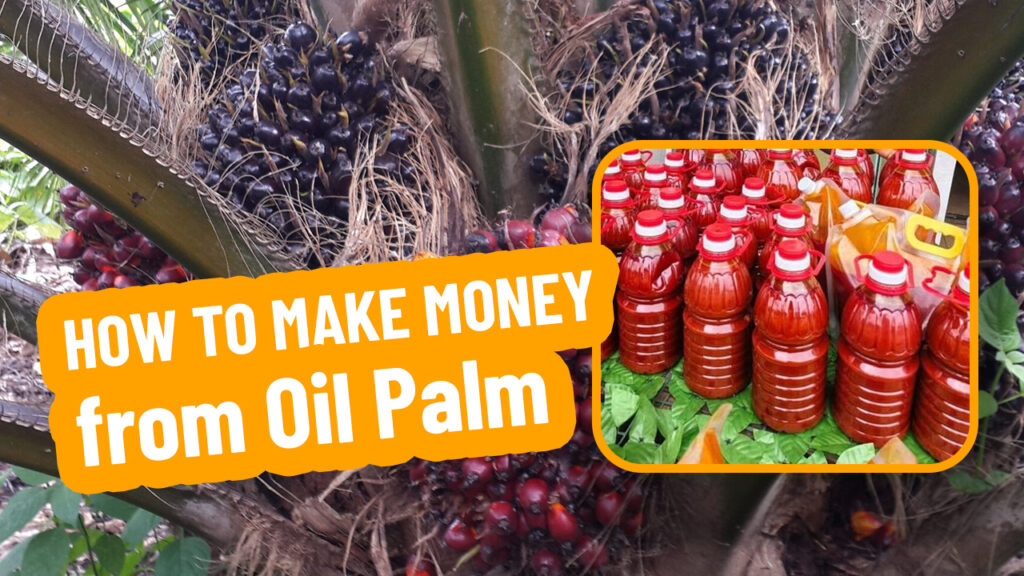
For an investor in a managed oil palm estate, yield is the engine of returns. Higher FFB yield per tree means more fresh fruit bunches per harvest. More FFBs per harvest means more crude palm oil extracted. More CPO extracted means more income per acre per year. Across a 25-year productive lifespan, the compounded income difference between a well-optimised estate and a poorly managed one is not incremental — it is transformational.
This is why the choice of management company matters so profoundly. Two estates planted on identical land with identical seedlings will deliver radically different yield trajectories depending on the quality and consistency of their agronomic management.
Step 1 — Seedling Selection: The Non-Negotiable Foundation
Yield optimisation begins before a single tree is in the ground. The variety of oil palm seedling planted determines the biological ceiling of what the estate can produce, regardless of how good the subsequent management is.
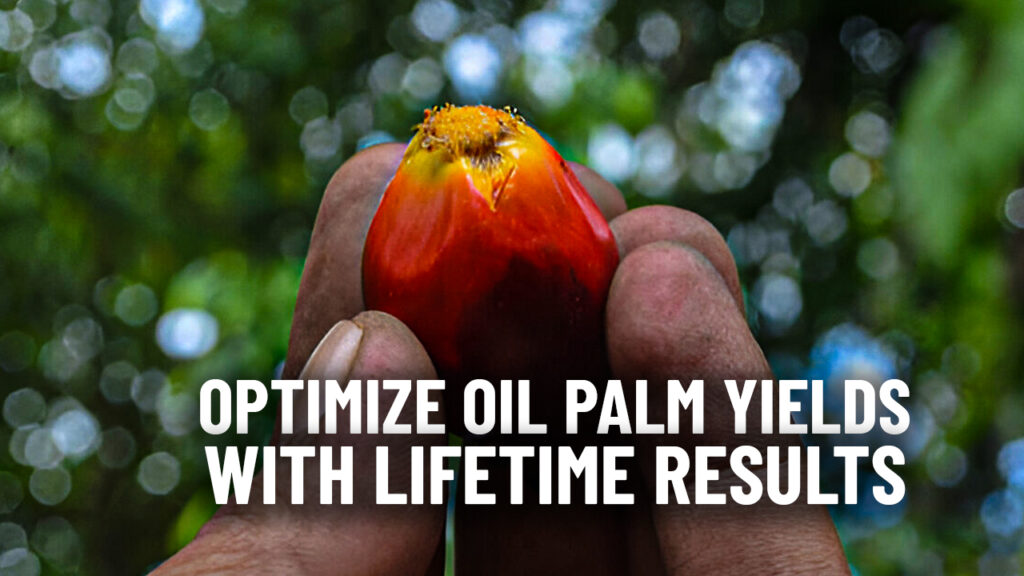
NIFOR-certified Tenera hybrid seedlings — the only variety SilvaWell plants — produce FFBs with an oil extraction rate of 20 to 22 percent. This is the result of decades of scientific breeding at the Nigerian Institute for Oil Palm Research in Benin City, producing a hybrid that combines the thin shell of the Pisifera variety with the high mesocarp content of the Dura, optimising oil content per fruit.
- Tenera OER: 20 to 22 percent — the commercial benchmark
- Dura OER: 10 to 15 percent — the baseline Tenera replaces
- The OER difference at the mill translates directly into naira per tonne of FFB delivered
Step 2 — Land Preparation: Building the Right Growing Environment
Soil preparation determines root penetration, water retention, and nutrient availability — all of which directly influence how fast young trees establish and how productively they grow. Proper land clearing, soil testing, drainage assessment, and initial soil amendment create the physical environment that allows Tenera trees to achieve their genetic yield potential.
In Edo State, the naturally occurring soil profiles in the palm oil belt are well-suited to oil palm cultivation — but professional preparation still matters. Poorly drained plots, compacted soils, or high-acidity areas that are not remediated before planting will produce chronically underperforming trees for the entire estate lifespan.
Step 3 — Fertilisation: Feeding the Trees That Feed You
Oil palm is a heavy feeder. To produce the FFB volumes that make commercial cultivation economically compelling, mature trees require consistent, correctly timed applications of nitrogen, phosphorus, potassium, and magnesium — adjusted for the specific soil chemistry of the estate location and the growth stage of the trees.
Under-fertilised oil palm trees produce visibly lower FFB yields. Over-fertilisation wastes cost and can damage the soil ecosystem. Professional estate management includes soil and leaf sampling, fertilisation scheduling calibrated to plant needs, and application timing optimised around the growing season. This is the kind of precision agronomy that simply cannot be replicated by casual or part-time farm management.
Step 4 — Pest and Disease Management: Protecting Your Income
The most economically significant oil palm pests and diseases in Nigeria include the oil palm bunch moth, bagworm infestations, rhinoceros beetles, and the devastating Ganoderma butt rot disease. Each of these threats, if unmanaged, can reduce FFB yields significantly — in severe cases eliminating income from affected trees entirely.
Early detection and rapid response are the foundations of effective pest and disease management. Professional farm management teams conducting regular field scouting can identify the early signs of infestation or infection before they spread, implementing targeted interventions that protect yield while minimising unnecessary chemical application.
Step 5 — Harvest Timing: The Income-Critical Precision Point
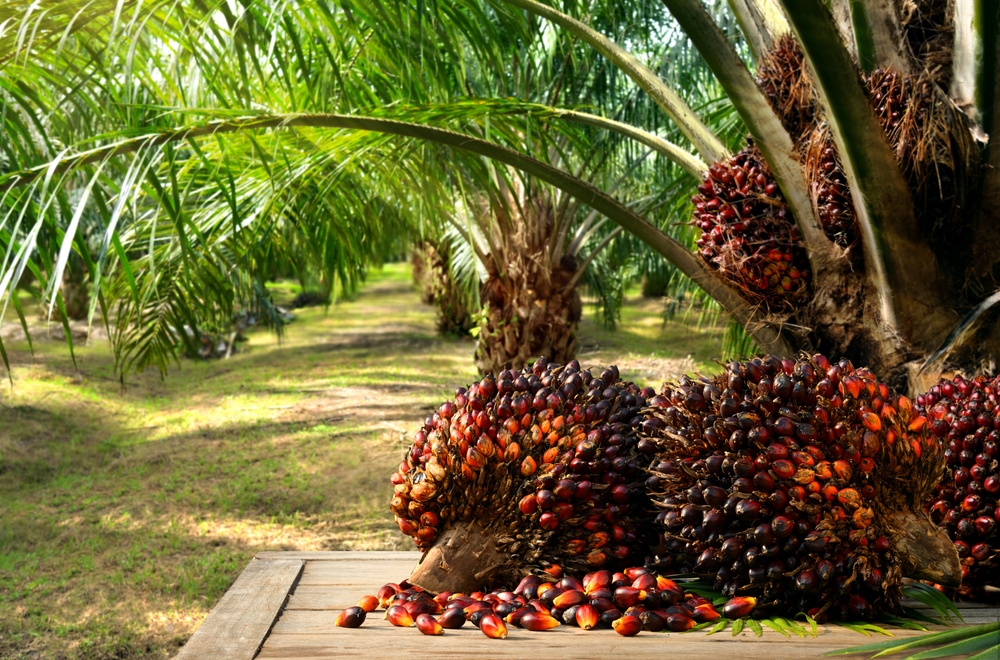
Fresh fruit bunches must be harvested within a narrow window of peak ripeness to achieve maximum oil extraction rate and the best mill gate pricing. FFBs harvested too early have immature oil content. FFBs harvested too late have elevated free fatty acid levels, which reduce oil quality and the price millers are willing to pay.
Professional harvest management — with trained harvesters conducting regular field assessments and harvesting on appropriate cycles — ensures that every bunch is cut at the optimal moment. For an investor’s income, this operational precision is worth significantly more than it might initially appear, particularly as estates reach full production and FFB volumes increase.
Step 6 — Intercrop Strategy: Sustaining the Estate Before Oil Palm Maturity
Oil palm cultivation is capital-intensive and requires several years before generating returns. To bridge this gap, the estate is strategically intercropped with plantain during the early years of establishment.
This is not just for “extra income” — it is a deliberate financial model. Revenue generated from the plantain is reinvested directly into the plantation’s upkeep. This includes the application of both micro and macro fertilizers, routine soil fertility testing, weed control, and other essential post-planting operations.
The goal is simple: to ensure the estate remains properly maintained without requiring investors to make additional yearly contributions after their initial investment.
The Long Game: Sustained Yield Across Decades
The yield trajectory of a well-managed oil palm estate is not a peak followed by a plateau. With consistent fertilisation, proactive pest and disease management, and attentive pruning as the canopy develops, properly managed Tenera estates sustain high production levels from peak maturity at years six to seven through to the replanting decision at years 25 to 30.
This sustained, long-duration productivity is what makes oil palm one of the strongest wealth creation vehicles in Nigerian agriculture. A single investment decision today, executed with quality seedlings and professional management, can generate income across three decades. The key is ensuring that management quality never wavers across that timeline — which is precisely what SilvaWell’s managed estate model is designed to deliver.


