




Across the world, demand for natural oils continues to grow rapidly. From skincare and wellness to cooking and industrial use, products derived from coconut and oil palm dominate global trade and drive billions of dollars in yearly revenue.
For Nigerian investors exploring agro real estate, understanding the market demand behind these crops is key to building sustainable wealth. Both are highly profitable, but they serve different market segments, attract different buyers, and offer varying returns based on global trends.
This article examines the commercial demand, export potential, and long-term investment implications of coconut and palm oil — and how Silvawell Limited’s agro real estate model helps investors capitalize on this ever-growing market.
Global Overview of the Coconut Market
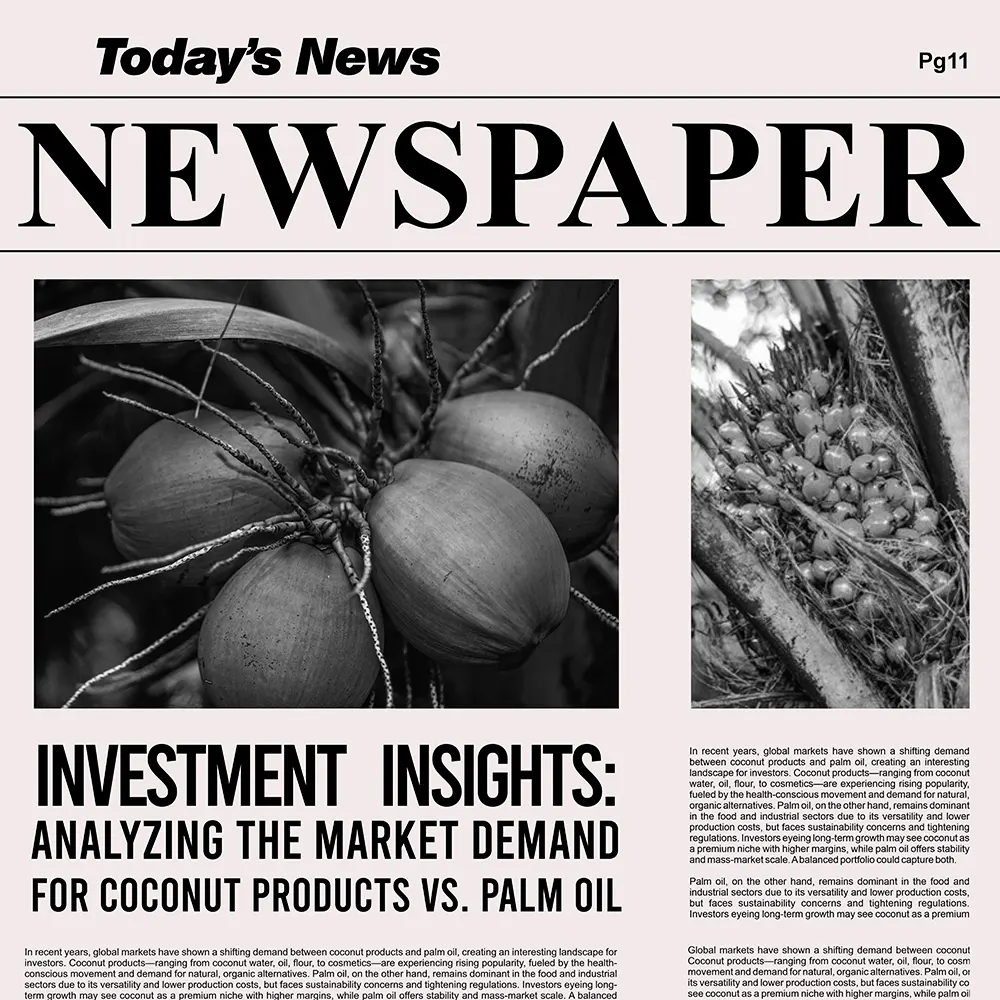
The global coconut products market has experienced a strong surge over the last decade, thanks to the worldwide movement toward organic and plant-based living. Coconut products are now in high demand not only in Asia but also in North America, Europe, and Africa.
Products such as:
-
Coconut oil (for cooking and cosmetics)
-
Coconut water (for hydration and fitness markets)
-
Desiccated coconut (for baking and confectionery)
-
Coconut milk and cream (for dairy alternatives)
-
Coconut shell charcoal (for industrial and household use)
…are now considered premium commodities.
In 2024, the global coconut products market was valued at over $15 billion, with projections to exceed $25 billion by 2030.
Nigeria, with its vast coastal zones and favorable tropical climate, is perfectly positioned to become a major coconut hub in Africa. The country currently imports much of its coconut oil and processed products — a gap that offers local investors massive opportunity for import substitution and export growth.
The Global Market for Palm Oil
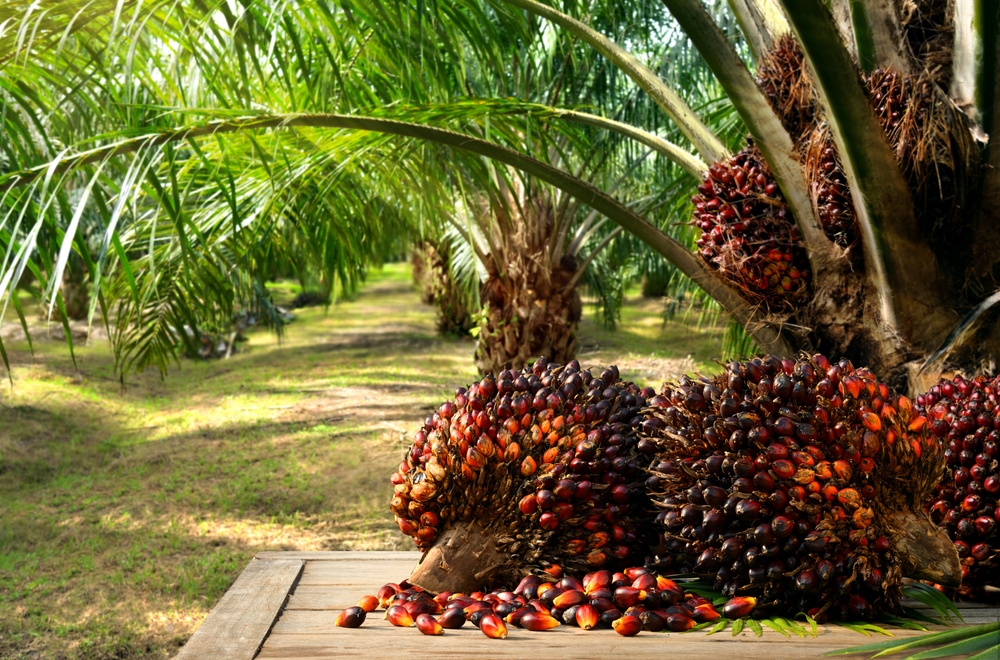
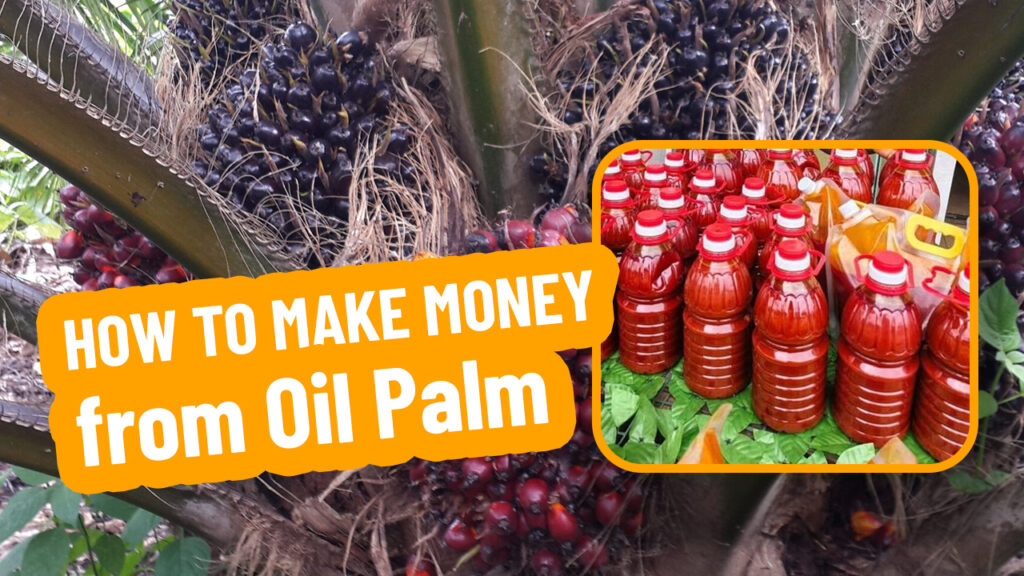
Palm oil remains the most widely used vegetable oil in the world. It is found in nearly half of all packaged products — from soap and detergent to chocolate, margarine, and cosmetics.
The global palm oil market is valued at over $90 billion, and demand continues to rise due to its cost efficiency and versatility. Major importers include India, China, the European Union, and increasingly, African nations.
Palm oil also powers the biofuel industry, making it critical to the renewable energy transition.
For investors, this means that oil palm farming offers both consistent demand and export resilience — provided it’s managed efficiently, with a focus on sustainability and traceability.
Comparing Market Demand Trends
While both industries are lucrative, their demand patterns differ significantly.
| Factor | Coconut Products | Palm Oil Products |
|---|---|---|
| Global Market Size (2024 est.) | $15B+ | $90B+ |
| Primary Consumers | Health-conscious, organic, cosmetic markets | Food manufacturing, energy, industrial |
| Price Range | Premium niche | Mass-market volume |
| Market Volatility | Moderate | Moderate to high |
| Export Opportunities | Expanding (Africa, Europe, Asia) | Established (Asia, global markets) |
| Brand Value | High for organic, wellness markets | High for industrial and edible oil sectors |
Coconut products appeal to premium and health-driven consumers, while palm oil caters to mass global consumption. This means coconut farming often yields higher margins per product, while oil palm farming delivers higher turnover and faster cash flow.
For investors, the smartest strategy is to diversify into both, securing short-term returns from palm oil while positioning for long-term premium growth through coconut value chains.
Domestic and Regional Market Opportunities
Locally, Nigeria’s demand for both coconut and palm oil far exceeds its current supply. Coconut oil imports are rising, and the cosmetics, food, and wellness industries are desperate for local alternatives.
Palm oil, meanwhile, remains one of Nigeria’s agricultural lifelines, feeding industries like food processing, soaps, and lubricants. Yet, the country still imports refined palm oil to meet demand.
Investors who partner with organized agro real estate firms like Silvawell Limited benefit from this local demand while also accessing export channels.
Silvawell’s projects are designed for scalability — meaning that as production increases, investors can participate in value addition, processing, and export partnerships, multiplying profits beyond raw farming.
Consumer Shifts and Sustainability Demand
One of the most important global trends shaping market demand is sustainability. Modern consumers prefer products that are ethically sourced, environmentally friendly, and socially responsible.
Coconut products naturally align with this movement due to their organic, chemical-free image. Palm oil, however, has faced criticism for environmental issues — which is why sustainably certified palm oil (RSPO-certified) is now commanding premium prices.
Silvawell Limited integrates these sustainability standards into its agro real estate operations — ensuring that both coconut and oil palm farms adhere to eco-friendly cultivation practices. This makes the products marketable not only locally but also across international green markets.
Long-Term Investment Outlook
From a long-term perspective, both coconut and oil palm farming offer multi-decade income streams.
-
Coconut farming: Begins producing from year 5–6 and continues fruiting for up to 80 years.
-
Oil palm farming: Starts yielding from year 3–4 and maintains profitability for 25–30 years.
While coconut farming takes slightly longer to mature, it offers a more stable and diversified market, especially as global consumers move toward plant-based alternatives and natural products.
Oil palm, on the other hand, guarantees quicker cash flow and consistent industrial demand — making it a powerful engine for medium-term profitability.
Together, they form a balanced investment ecosystem where one complements the other.
Building Wealth Through Silvawell Limited’s Agro Real Estate Model
At the intersection of global demand, sustainability, and smart farming lies Silvawell Limited, a company reshaping how agricultural investments work in Nigeria.
Silvawell’s agro real estate model allows investors to:
-
Own or co-own farmland managed by professionals.
-
Participate in high-demand crops like coconut and oil palm.
-
Enjoy steady returns without the burden of day-to-day farm management.
-
Benefit from sustainable practices that align with global market standards.
Each farm is developed for productivity, climate resilience, and long-term value — ensuring that your investment doesn’t just earn, but also grows in equity over time.
Investing in the Future of Natural Wealth
The global shift toward renewable, plant-based, and ethical products isn’t slowing down. Coconut and oil palm farming sit right at the heart of that transformation.
By investing through Silvawell Limited, you position yourself where global demand meets sustainable growth — turning fertile land into financial freedom.
Your investment doesn’t just produce oil. It produces opportunities, employment, and enduring value for generations to come.
Start your journey today with Silvawell Limited, and let your investment in agro real estate become a story of growth, sustainability, and legacy.


