


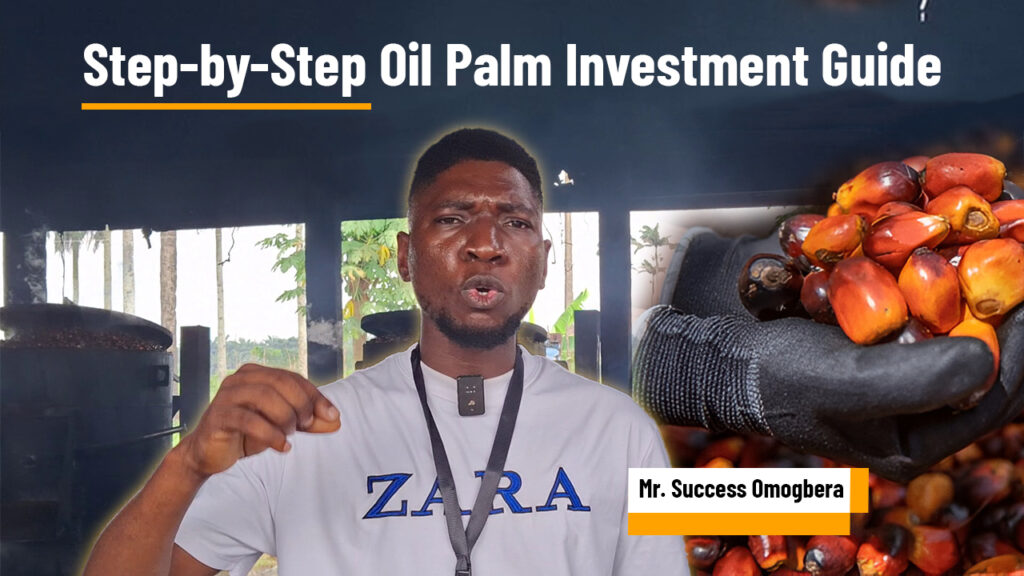

Entering the world of agro real estate is one of the smartest moves any forward-thinking investor can make. As land and agricultural commodities continue to rise in value, crops like coconut and oil palm are emerging as some of the most lucrative long-term investments in Africa. But while both have the potential to create lasting wealth, each comes with its own risks and rewards — especially for new investors.
This article breaks down the key factors that every beginner should understand before choosing between coconut and oil palm farming, helping you invest confidently with realistic expectations.
Understanding the Basics: Agro Real Estate and Tree Crop Investments
Agro real estate refers to farmland investment where land is developed for agricultural production and managed for long-term profit. In this model, investors don’t just own land — they own a productive asset that generates recurring income from crops like coconut or oil palm.
Tree crops such as coconut and oil palm are particularly valuable because they offer multi-decade returns, strong market demand, and continuous yield after maturity. However, their timelines, market behavior, and operational challenges differ in important ways.
The Rewards of Investing in Oil Palm Farming
Consistent Global Demand
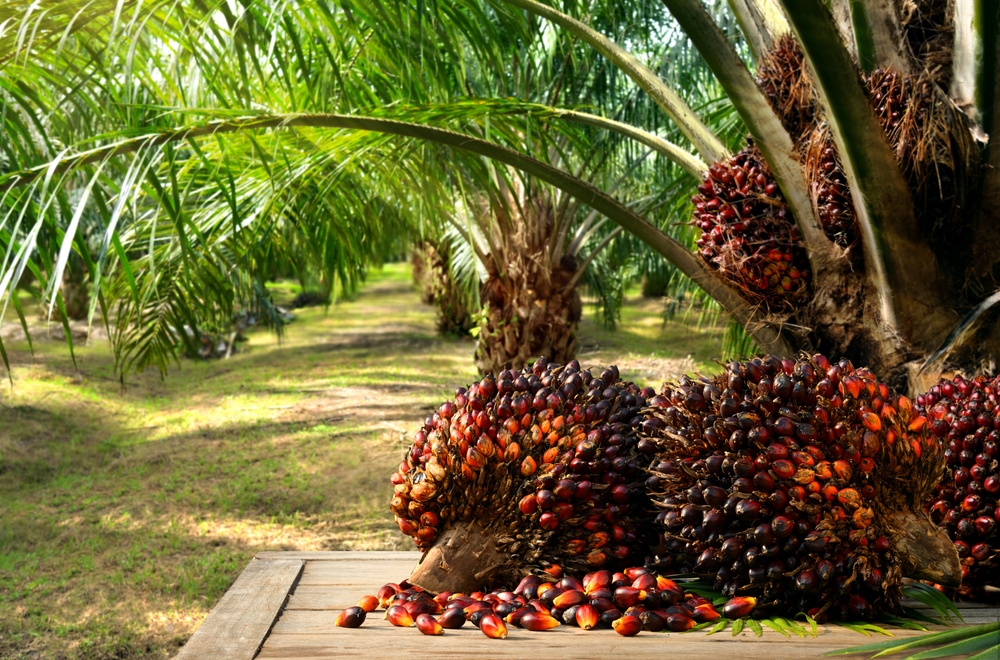
Oil palm is one of the world’s most consumed vegetable oils, found in over half of all packaged foods globally. This constant demand ensures market stability and makes oil palm farming a strong option for investors looking for predictable cash flow.
Long-Term Passive Income
Once an oil palm plantation is established and producing, it can generate revenue for 25–30 years with proper management. The crop is harvested year-round, providing steady income streams that compound over time.
Diverse Product Range
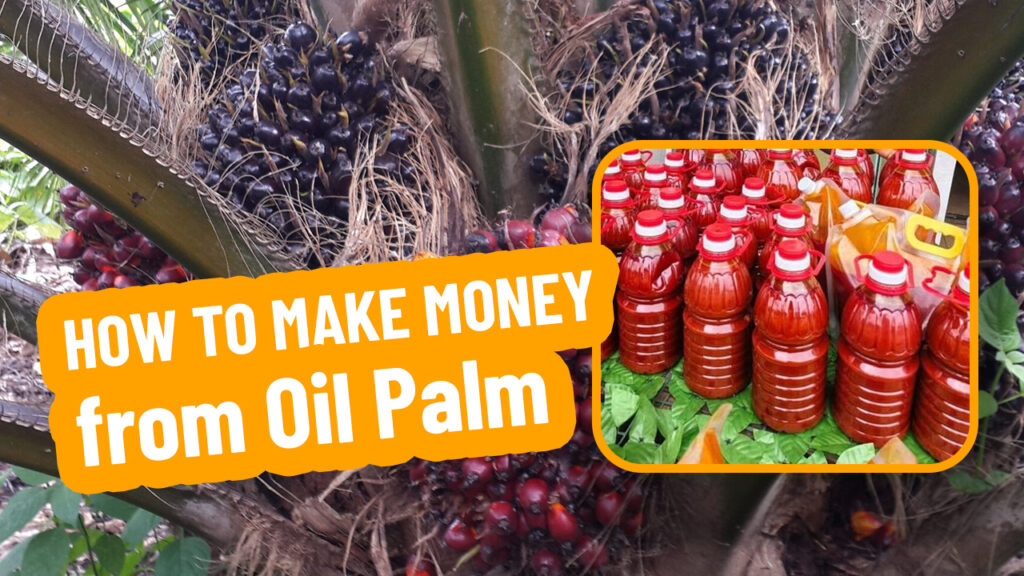
Oil palm doesn’t just produce palm oil. It also yields palm kernel oil and palm kernel cake, which are used in cosmetics, food manufacturing, and livestock feed. This product diversity helps reduce the risk of total market dependency on one sector.
The Risks of Oil Palm Farming
Oil palm farming, while highly rewarding, requires patience and capital discipline. It takes about 3–4 years before the first harvest, and during this time, investors must cover maintenance and operational costs.
Other challenges include:
-
Sensitivity to fluctuating global prices
-
Pest and disease management costs
-
Environmental regulations related to deforestation and sustainability
However, partnering with an experienced agro real estate company like SilvaWell Limited helps mitigate these risks through proper farm setup, hybrid seedlings, and modern best practices.
The Rewards of Investing in Coconut Farming
Expanding Global and Local Markets
Coconut products — from coconut oil to coconut water and desiccated flakes — have become essential in health, beauty, and organic food industries. The rise in wellness trends makes coconuts one of the fastest-growing agro commodities globally.
Low Maintenance and High Lifespan
Coconut trees can live and yield for over 60 years, making them a generational asset. Once matured, they require less labor and fewer inputs compared to oil palm, leading to higher net profit margins over time.
Flexibility and Climate Adaptability
Coconut trees can thrive in coastal, semi-arid, and even inland tropical regions. Modern hybrid varieties make it possible to grow them successfully across Nigeria and West Africa.
The Risks of Coconut Farming
Like every investment, coconut farming isn’t without challenges. It can be affected by:
-
Drought or poor irrigation systems
-
Pest infestations such as rhinoceros beetles or mites
-
High transport and processing costs in underdeveloped regions
Yet, with the right irrigation, hybrid seedlings, and professional farm management, these risks can be minimized — and returns maximized.
Comparing Risk Profiles: Which Is Safer for New Investors?
For beginners in agro real estate, coconut farming generally offers a gentler entry due to its lower setup cost, faster fruiting hybrids, and simpler maintenance. However, oil palm farming remains unmatched in terms of industrial market size and consistent revenue once established.
A smart strategy for new investors is diversification — owning a share in both coconut and oil palm projects. This spreads risk while capturing profits from both consumer and industrial markets.
How SilvaWell Limited Reduces Investor Risk
At SilvaWell Limited, we design agro real estate projects that are risk-managed and profitability-driven. Through proper land selection, soil testing, hybrid seedlings, and irrigation infrastructure, we ensure each investor’s project is optimized for yield and longevity.
Our expert farm managers oversee plantation growth from nursery to harvest, giving you peace of mind and the confidence that your investment is in capable hands.
Conclusion: The Smart Way to Begin Your Agro Real Estate Journey
Both coconut and oil palm farming present outstanding opportunities, but success depends on knowledge, structure, and professional support. For new investors, the rewards far outweigh the risks when guided by the right team.
Start your journey today with SilvaWell Limited — a trusted leader in sustainable coconut and oil palm agro real estate development. Let’s help you build a lasting legacy through smart, secure, and profitable agricultural investments.


