


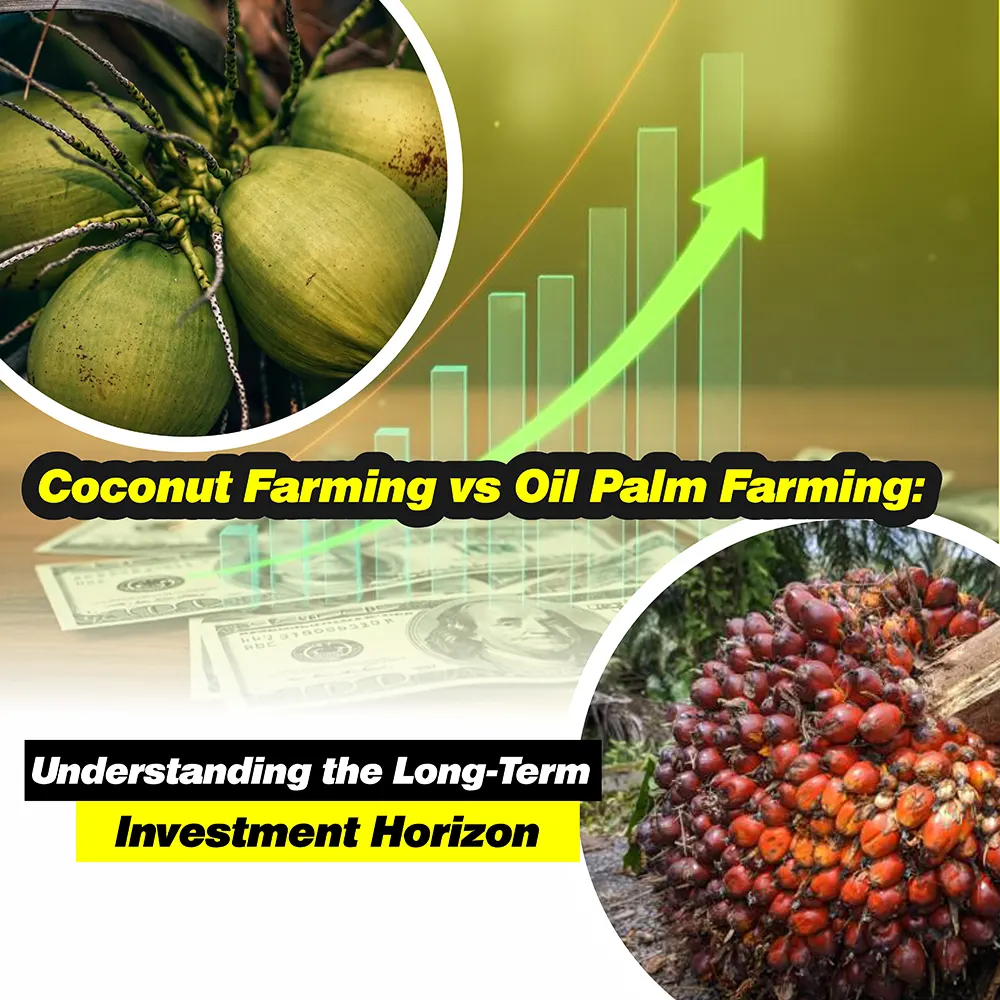
Building long-term wealth through agriculture requires more than just choosing a profitable crop—it demands vision, patience, and strategy. For investors in agro real estate, two tropical crops consistently stand out: coconut and oil palm.
Both have proven to be goldmines for nations and individuals who understood their timelines. Yet, while they share similarities in climate and geography, their investment horizons differ greatly.
Let’s break down how each crop performs over time, what kind of investor they suit best, and why a long-term approach with Silvawell Limited could be one of the smartest investment decisions you’ll ever make.
The Nature of Long-Term Agricultural Investment
Agriculture, unlike trading or manufacturing, operates on cycles of growth and harvest. The longer the cycle, the greater the potential for compounding value—in both land appreciation and recurring income.
When investing in coconut or oil palm, you aren’t just buying into crop yields; you’re securing productive real estate that appreciates while generating income year after year.
For agro real estate investors, the question isn’t which crop grows faster—it’s which crop keeps earning longer.
Coconut Farming: The Tree of a Lifetime
Investment Timeline and Lifespan
Coconut trees begin to bear fruit within 4 to 6 years, depending on the variety and soil quality. Once matured, a single tree can remain productive for 60 years or more, often serving multiple generations.
This long productivity window means that coconut plantations are legacy assets, ideal for investors seeking steady, predictable returns over decades rather than quick profits.
Market Resilience and Global Demand
Coconut products—oil, milk, water, husk fiber, and charcoal—feed into multiple global industries. With the rise in organic beauty products, plant-based diets, and sustainable packaging, demand for coconut derivatives continues to grow.
Unlike most cash crops that fluctuate in demand, coconut’s diversity of use makes it resistant to market shocks. Even when oil prices fall, coconut water or coir exports maintain profitability.
Maintenance and Sustainability
Coconut trees are relatively low-maintenance once established. They are drought-tolerant, resilient to high temperatures, and can be intercropped with pineapples, cocoa, or vegetables to maximize land use.
For investors who prefer long-term stability and minimal management stress, coconut farming offers a strong, hands-off model that can yield consistent dividends for decades.
Oil Palm Farming: The Power Crop for High Returns
Investment Timeline and Yield Potential
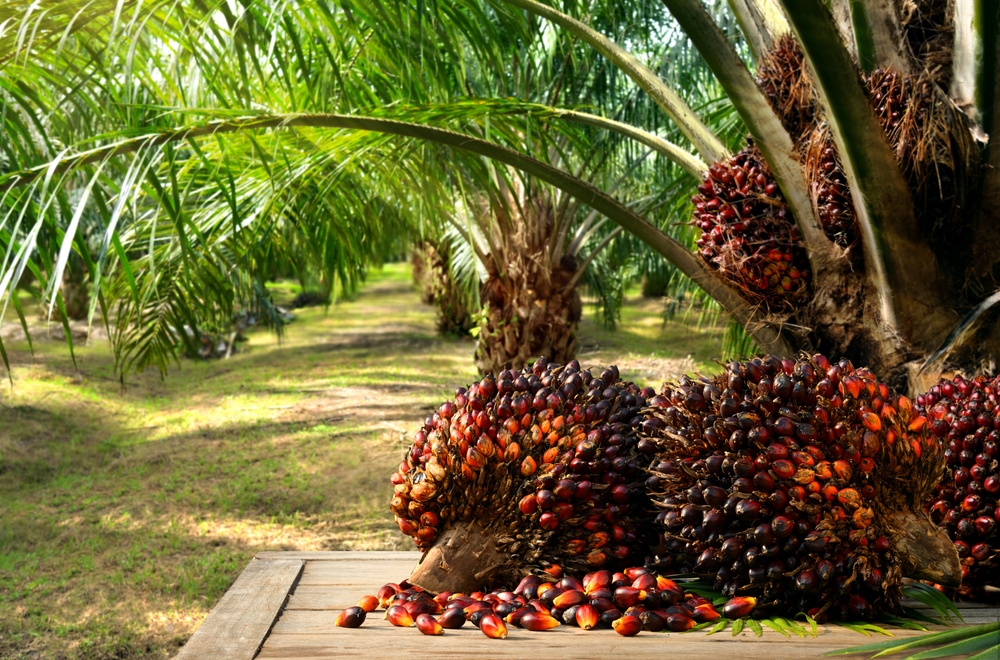
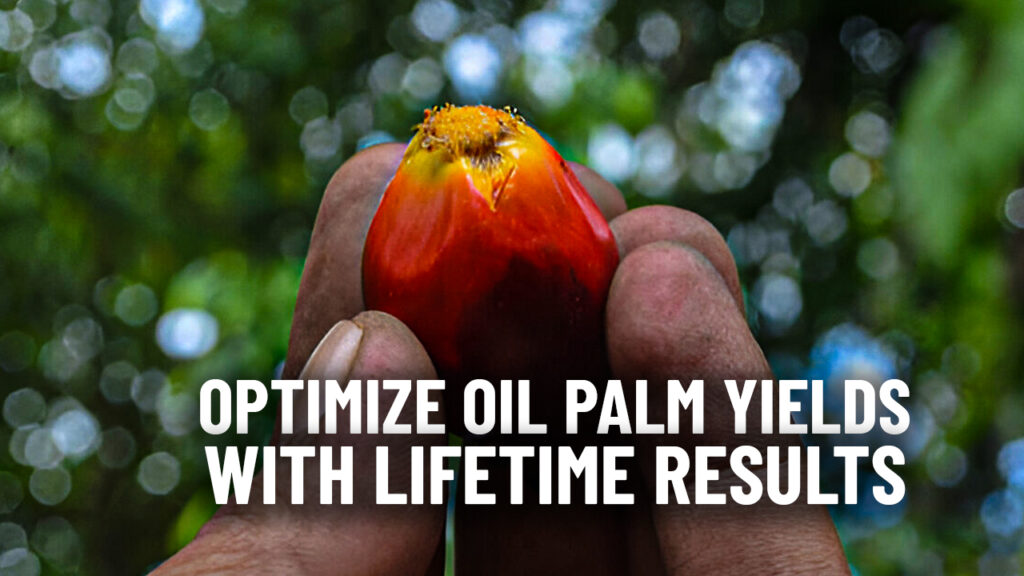
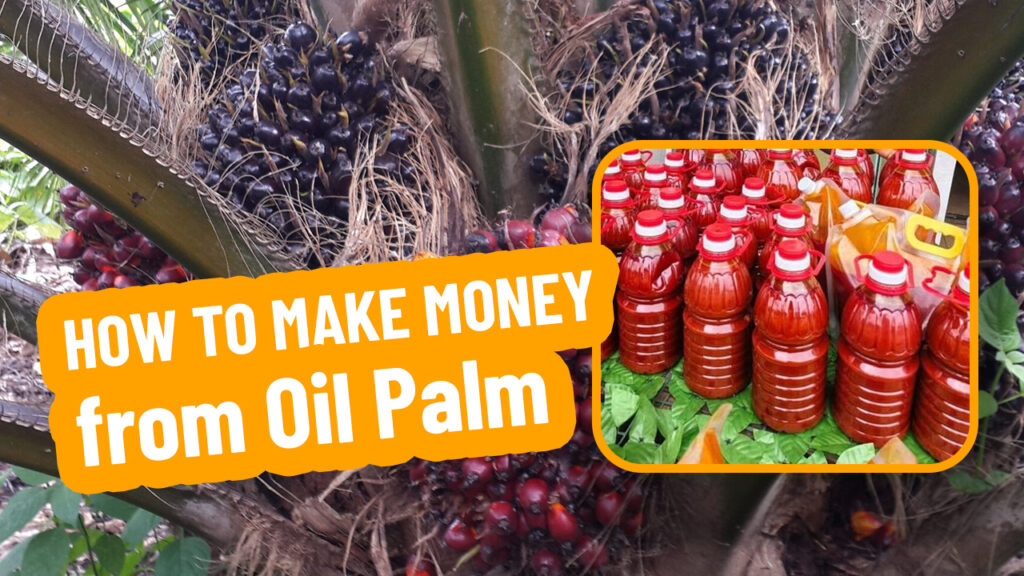
Oil palm matures within 3 to 4 years—a year or two faster than coconut. It is the highest-yielding oil crop in the world, producing up to 5 tons of oil per hectare annually.
While the productive lifespan of an oil palm plantation averages 25–30 years, its high output makes it extremely lucrative within that window. Investors typically begin to see strong returns by year five, with profits compounding yearly until replanting is needed.
Global Market and Revenue Streams
Palm oil accounts for nearly 35% of the world’s vegetable oil consumption, driven by the food, biofuel, and industrial sectors. Its versatility ensures that demand remains high in both developed and developing nations.
In agro real estate, oil palm plantations can generate multiple revenue channels—from crude palm oil and kernel oil to by-products used in soaps, cosmetics, and biodiesel.
Risks and Replanting Considerations
The major limitation of oil palm is its shorter productive lifespan compared to coconut. After 25–30 years, trees become too tall to harvest efficiently and require replanting. However, the profits generated during that time often far exceed the cost of renewal.
Investors seeking faster ROI and high annual cash flow will find oil palm highly attractive, provided they’re prepared for periodic reinvestment in replanting cycles.
Comparing Investment Horizons
| Investment Factor | Coconut Farming | Oil Palm Farming |
|---|---|---|
| Maturity Period | 4–6 years | 3–4 years |
| Productive Lifespan | 60+ years | 25–30 years |
| Maintenance | Low | Moderate |
| Annual Yield | 1.5–2 tons of oil/ha | 4–5 tons of oil/ha |
| Diversification | Very high (multiple by-products) | High (oil, kernel, biodiesel) |
| Reinvestment Cycle | Minimal | Every 25–30 years |
From a short-term view, oil palm leads in volume and early profit. From a generational standpoint, coconut dominates through its longevity, sustainability, and passive yield.
A balanced agro real estate portfolio might even combine both—leveraging oil palm for quick gains and coconut for legacy income.
Land Appreciation and Long-Term Value
One of the often-overlooked advantages of agro real estate is land value appreciation. Productive farmland in tropical regions has consistently outperformed residential and commercial plots in value growth over the past decade.
Owning a coconut or oil palm plantation means your income grows in two directions:
-
From the land’s appreciation as demand for farmland increases.
-
From the annual crop yield, which provides recurring income.
This is why long-term agricultural projects are now being described as “land-backed income systems”—they blend the best of real estate and agribusiness into one sustainable asset class.
Sustainability and Climate Resilience
Climate change poses real challenges for global food systems, but coconut and oil palm remain among the most adaptable tropical crops.
Coconut trees thrive even under saline and coastal conditions, while oil palms excel in humid, fertile regions. With responsible cultivation and proper soil management, both crops can be grown sustainably without depleting the environment.
Investors working with experienced agro real estate developers like Silvawell Limited benefit from sustainable land management practices, optimized yield strategies, and reforestation initiatives that secure long-term viability.
Building Generational Wealth Through Agro Real Estate
Coconut farming teaches patience; oil palm farming rewards timing. But both represent something far greater than just agricultural ventures—they are vehicles for generational wealth creation.
An investor who plants today reaps the benefits not only in cash flow but also in legacy assets that their children and grandchildren can inherit. In a world where digital investments can disappear overnight, agro real estate remains a tangible, productive, and appreciating asset.
Whether your goal is passive income, environmental impact, or land ownership, coconut and oil palm farming provide a proven path to financial freedom through nature’s most sustainable resources.
Partnering with Silvawell Limited for Long-Term Growth
Long-term success in agriculture depends on expertise, management, and location. Silvawell Limited bridges that gap by offering investors access to strategically located farmlands, professional cultivation teams, and sustainable growth systems tailored to your financial goals.
By investing in coconut or oil palm projects with Silvawell Limited, you secure:
-
Professionally managed farmland with high-yield varieties
-
Transparent growth and maintenance reporting
-
Sustainable farming aligned with global environmental standards
-
Guaranteed buy-back or profit-sharing options on harvests
With every hectare, you’re not just buying land—you’re owning a future of consistent returns, ecological contribution, and financial stability.
Invest with Silvawell Limited today.
Turn tropical farmland into a lasting legacy that grows stronger every season.


