





Agriculture has always been one of the most reliable wealth-building opportunities in Africa. But over the past decade, two crops have stood out as the most profitable for investors — coconut and oil palm. Both are high-demand commodities with global market appeal, strong export potential, and growing local industries.
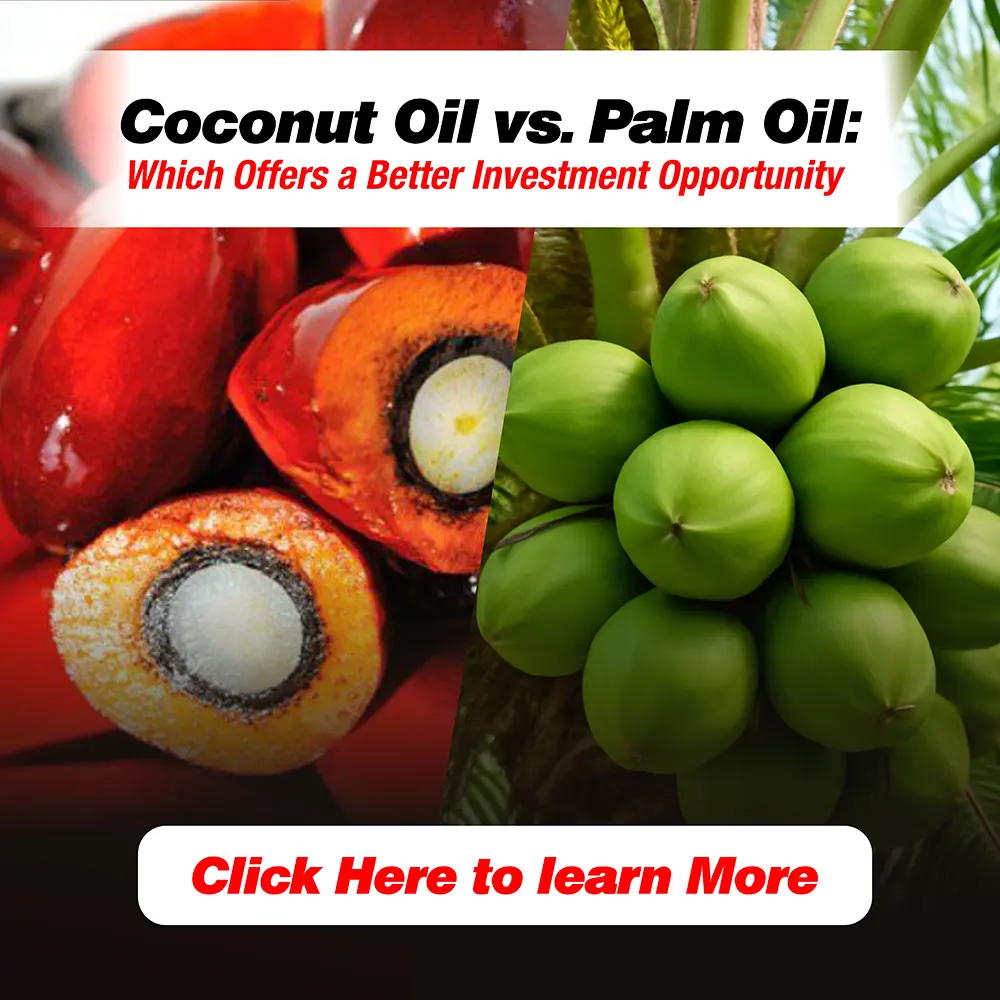
Yet, one question keeps coming up among new and experienced investors alike: Which is the better investment — Coconut Farming or Oil Palm Farming?
In this article, we’ll explore both sides, analyzing profitability, risks, sustainability, and long-term returns so you can make an informed decision on where to channel your capital.
Understanding the Two Power Crops
What Makes Oil Palm Farming So Attractive?
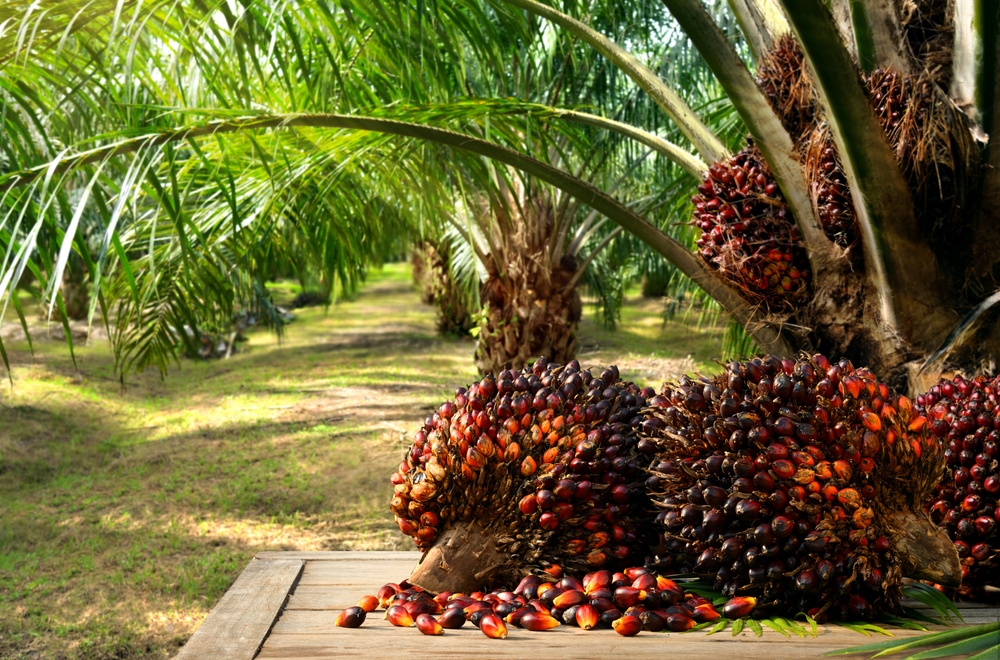
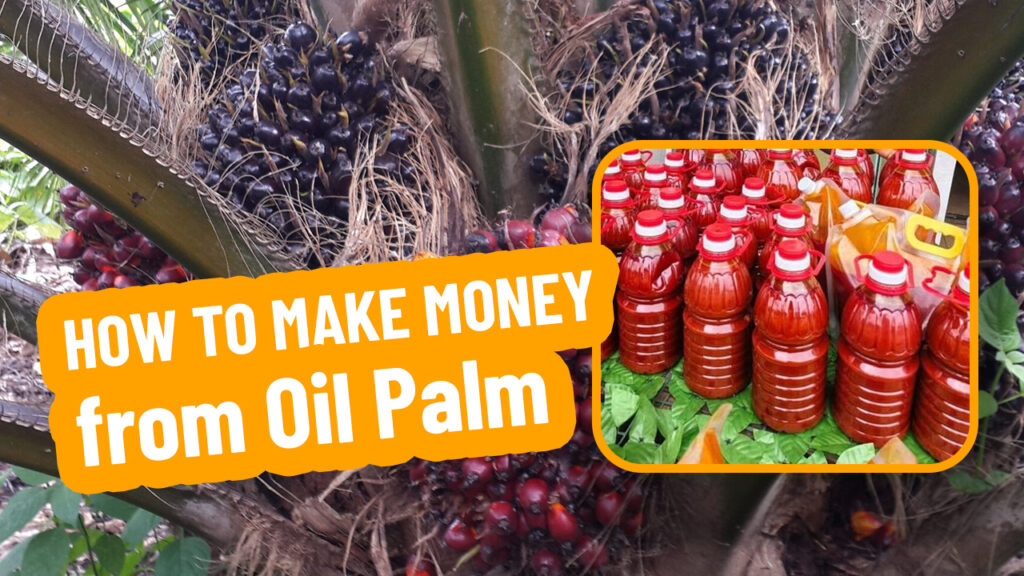
Oil palm has long been known as a “money tree.” Every part of the palm — from the fruit to the kernel and even the fronds — can be monetized. Nigeria remains one of Africa’s top producers, yet local demand far outweighs supply. This gap creates a huge investment opportunity.
Oil palm produces palm oil, palm kernel oil, and palm kernel cake, which are used in food processing, cosmetics, biofuel, and animal feed. With global palm oil consumption expected to keep rising, oil palm farming offers steady income for decades.
Why Investors Are Turning to Coconut Farming
Coconut farming, once considered a coastal crop, has evolved into a nationwide opportunity. The demand for coconut oil, coconut water, desiccated coconut, and other by-products is growing rapidly. Beyond Nigeria, global coconut oil markets are expanding — especially in beauty, wellness, and organic food industries.
Coconuts require less industrial processing than palm, and their versatility allows farmers to profit from food, cosmetic, and beverage sectors all at once.
Comparing Profit Potential
Initial Investment and Startup Costs
Oil palm farming generally demands higher startup costs due to land preparation, nursery establishment, and a longer maturity period (3–4 years before fruiting). However, once established, a well-managed palm plantation can yield profits for up to 25 years.
Coconut farming, on the other hand, has lower entry costs and faster expansion potential. Modern hybrid coconuts begin fruiting within 3 years and can yield consistently for over 60 years. This makes it a more accessible entry point for new investors or small-scale agro real estate ventures.
Yield and Returns
An acre of oil palm can produce 3–4 tons of oil per year, while hybrid coconuts can yield 8,000–12,000 nuts annually depending on irrigation and maintenance. The consistent demand for both oils ensures strong long-term returns.
However, oil palm tends to deliver higher short-term profit margins due to the large industrial market for palm oil, while coconuts shine in the export and organic niche sectors where profit per unit is higher.
Market Demand and Price Trends
Both crops are essential commodities. Palm oil dominates the edible oil market globally, accounting for over 35% of total production. Coconut, however, is rapidly catching up, especially with the rise of health-conscious consumers who prefer organic and chemical-free products.
In Nigeria and across Africa, coconut oil prices have grown by over 60% in the last five years. Meanwhile, palm oil demand continues to rise due to its role in industrial and food processing.
Risk Factors and Challenges
Oil Palm Risks
Oil palm farming faces risks like fluctuating global prices, pest attacks, and capital-intensive maintenance. The long gestation period before first harvest also means investors must be patient.
Coconut Farming Risks
Coconut farms are vulnerable to drought and certain fungal diseases, but modern irrigation and hybrid seedlings have drastically reduced these risks. Transport and processing infrastructure in some areas remain a challenge, but the market potential compensates strongly.
Sustainability and Environmental Impact
Coconut farming is often viewed as more eco-friendly, as it supports intercropping and requires less land clearing. Oil palm farming has faced criticism globally due to deforestation concerns, though responsible and sustainable cultivation models (like those practiced by SilvaWell Limited) are changing that narrative.
Both crops can thrive under sustainable agro real estate models, combining environmental care with economic returns. What truly matters is management — the right team ensures your investment grows responsibly and profitably.
Long-Term Investment Outlook
Oil palm farming offers steady industrial income, ideal for investors seeking large-scale, predictable returns. Coconut farming offers diversified export opportunities and access to niche wellness markets. Both can be combined strategically for a balanced agro real estate portfolio.
In 2025 and beyond, the most successful investors will be those who see beyond short-term gains — those who invest in long-term, sustainable agricultural ventures with professional partners who understand the business ecosystem.
Conclusion: Choose Smart. Choose Sustainable. Choose SilvaWell Limited.
Whether you lean toward coconut farming or oil palm farming, one thing is clear — both are gateways to wealth creation in the agricultural economy. The secret is partnering with the right team that combines expertise, structure, and transparency.
At SilvaWell Limited, we help investors establish, manage, and scale profitable coconut and oil palm plantations using sustainable, high-yield systems.
Now is the time to take action. Don’t just read about agro real estate opportunities — invest in one today.
Partner with SilvaWell Limited to begin your journey toward sustainable agricultural wealth.


