


The world’s agricultural systems are changing rapidly. As temperatures rise, rainfall patterns shift, and storms become unpredictable, one question dominates the minds of farmers and investors alike: Which crops can truly withstand the test of climate change?
Among tropical cash crops, coconut and oil palm stand out not only for their profitability but also for their resilience. Both thrive in warm climates, both are long-term investments, and both have a global market demand. But when faced with extreme weather, which one adapts better — and which offers investors a safer path in a changing world?
This article explores how climate change affects these two valuable crops and why understanding their resilience is crucial for every agro real estate investor.
Climate Change and Agriculture: The New Investment Reality
For years, agricultural investments were evaluated purely on yield and price. Today, climate resilience has become a new metric of profitability.
Rising global temperatures, irregular rainfall, and frequent floods are reshaping Nigeria’s agricultural landscape. Investors must now factor in how each crop responds to environmental stress — because resilience determines not just yield, but also long-term return on investment.
In this evolving context, both coconut and oil palm have shown impressive adaptability, but with clear differences that matter for investors.
Coconut Farming: The Coastal Climate Champion
Coconut palms have always been champions of coastal survival. They can tolerate salty winds, poor soil, and drought conditions better than most tropical trees. Their deep root systems allow them to draw water even during dry seasons, giving them a natural advantage in water-scarce environments.
Coconut trees also play an important role in ecosystem protection. They stabilize coastlines, prevent erosion, and act as windbreakers during storms. Even when exposed to high temperatures, they continue to bear fruit — though yield may slightly reduce during severe drought.
Moreover, coconut trees live up to 80–100 years, making them one of the most durable perennial crops in existence. For investors, that translates into multi-generational returns when managed through structured agro real estate models.
Oil Palm Farming: The Tropical Powerhouse with Limits
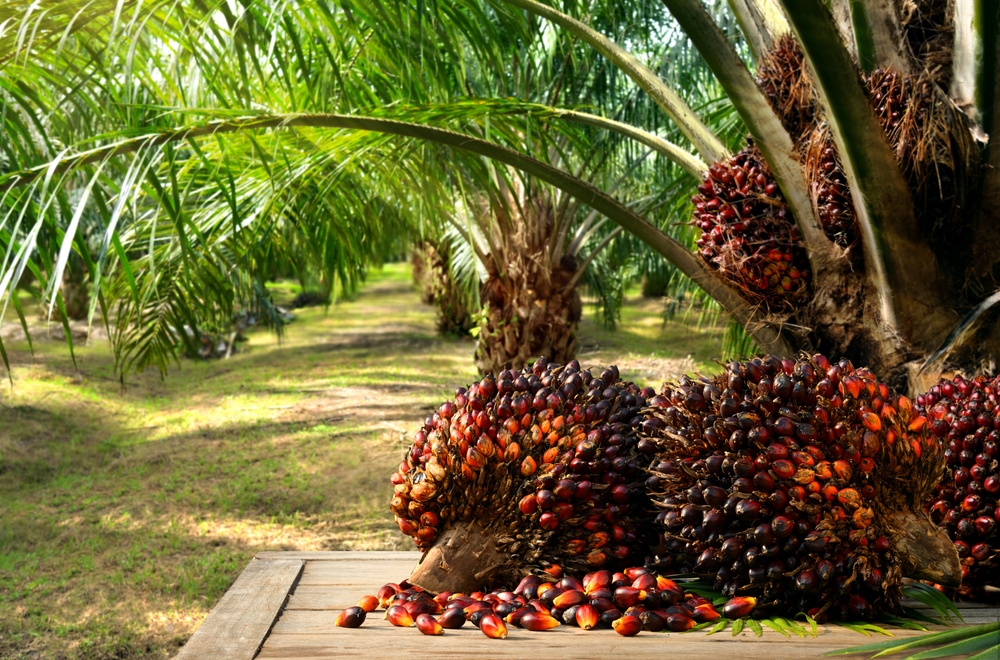
Oil palm thrives in high rainfall and humid regions. It’s the world’s most productive oil crop, producing more oil per hectare than any other alternative. However, it’s also more sensitive to extreme weather.
Prolonged drought can reduce oil yield, while excessive flooding can harm root systems. Temperature increases beyond 35°C may reduce fruiting efficiency.
That said, oil palm has remarkable recovery potential when well-managed. Farms with irrigation, organic mulching, and soil management systems can bounce back from short-term stress.
Under professional supervision — like Silvawell Limited’s agro real estate management model — oil palm plantations can be shielded from many of the environmental challenges that affect unplanned or poorly managed farms.
Comparing Resilience Factors
When comparing the two crops side by side, here’s what investors should note:
| Factor | Coconut Farming | Oil Palm Farming |
|---|---|---|
| Drought Resistance | High | Moderate |
| Flood Tolerance | Medium | High (short-term) |
| Soil Adaptability | Excellent | Moderate |
| Temperature Tolerance | Very High | Moderate |
| Lifespan | 80–100 years | 25–30 years |
| Maintenance Needs | Low to Medium | Medium to High |
| Climate Impact on Yield | Minimal | Noticeable under stress |
From the table above, coconut clearly stands out for climate resilience, while oil palm maintains an edge in oil yield efficiency. The wisest approach, therefore, isn’t choosing one over the other — it’s diversifying investment across both under structured management.
Environmental Sustainability and Carbon Capture
Both coconut and oil palm plantations play vital roles in environmental sustainability. They absorb carbon dioxide, produce oxygen, and create microhabitats for biodiversity.
However, coconut farming’s lighter environmental footprint makes it particularly appealing to investors focused on green portfolios. It doesn’t require large-scale land clearing and can thrive in intercropping systems with cassava, vegetables, or spices — increasing soil fertility and biodiversity.
Oil palm, meanwhile, contributes significantly to biofuel production and global food supply, making it vital for sustainable development. When cultivated responsibly on existing farmland rather than through deforestation, it becomes a renewable economic engine for Africa.
This is exactly the kind of balance Silvawell Limited promotes — productive farms that heal the soil, support local communities, and generate consistent profit.
Building Climate-Resilient Agro Real Estate
The future of agriculture belongs to climate-smart investors — those who understand that sustainability and profit are not opposites, but partners.
Climate-smart farming integrates practices such as:
-
Drip irrigation to optimize water use
-
Organic mulching to retain soil moisture
-
Cover cropping to prevent erosion
-
Smart weather monitoring for crop planning
By combining these techniques with strong management, investors can secure both crops against climate shocks.
Silvawell Limited’s agro real estate model provides exactly this — farmland assets developed with resilience in mind, managed with cutting-edge agricultural expertise, and monitored for long-term sustainability.
The Investment Edge
For modern investors, resilience equals stability. A farm that survives drought, storms, and inflation will always outperform one that collapses under environmental stress.
Both coconut and oil palm farming fit into Nigeria’s climate-smart investment strategy, but each offers a unique profile:
-
Coconut farming ensures long-term durability, low maintenance, and environmental protection.
-
Oil palm farming ensures high returns, rapid processing opportunities, and global demand.
The real power lies in blending both — diversifying your portfolio within the same agro real estate ecosystem.
Investing in the Future with Silvawell Limited
As the planet grows hotter and food systems evolve, resilient farming will define the next era of wealth. Coconut and oil palm farming are not just agricultural ventures — they are climate assets.
Silvawell Limited’s approach to agro real estate offers investors access to well-managed, climate-smart farmlands designed for longevity, productivity, and environmental stewardship. Every hectare you invest in contributes to sustainable growth, rural development, and a greener future for generations to come.
When you plant with foresight, you don’t just grow crops — you grow legacy. Start your journey today with Silvawell Limited, and invest where sustainability meets prosperity.


