


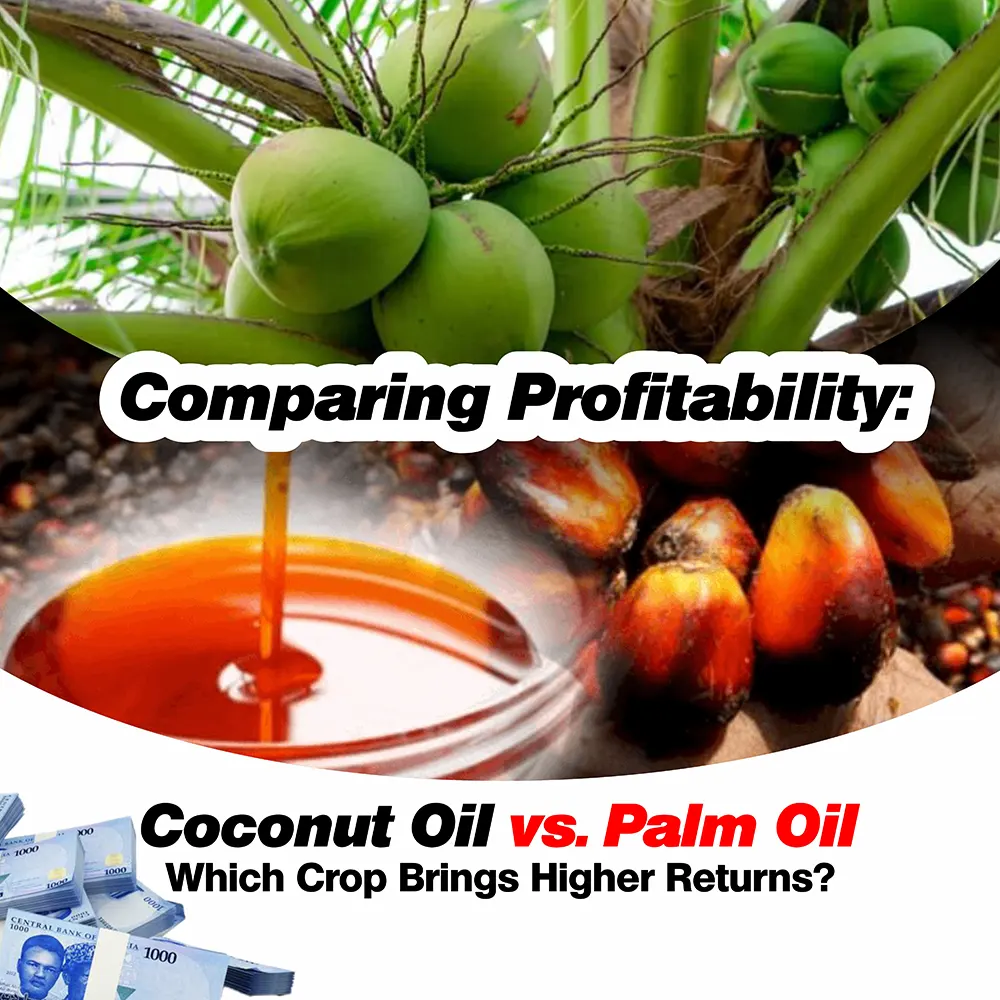


In today’s rapidly evolving agro real estate market, two crops consistently dominate investor discussions: coconut and oil palm. Both have powered economies, built industries, and created long-term wealth for those who invested early. But the question remains: which crop is truly more profitable?
This article explores the financial, operational, and sustainability aspects of both crops to help investors make informed decisions before partnering with Silvawell Limited.
Understanding the Market Dynamics
Coconut Oil: The Natural Gold in Health and Beauty
Coconut oil has become a major player in global trade, largely due to rising demand in cosmetics, skincare, and health industries. The shift toward organic and plant-based products means coconut oil enjoys stable pricing and a loyal market.
Each coconut tree produces not just oil, but also coconut milk, coir, and husk fiber—each of which adds multiple revenue streams. That’s why it’s often referred to as a multi-product investment crop.
Coconut farming may take between 4 to 6 years to mature, but once it starts yielding, it can continue for over 60 years, providing generational income.
Palm Oil: The Global Leader in Yield and Demand
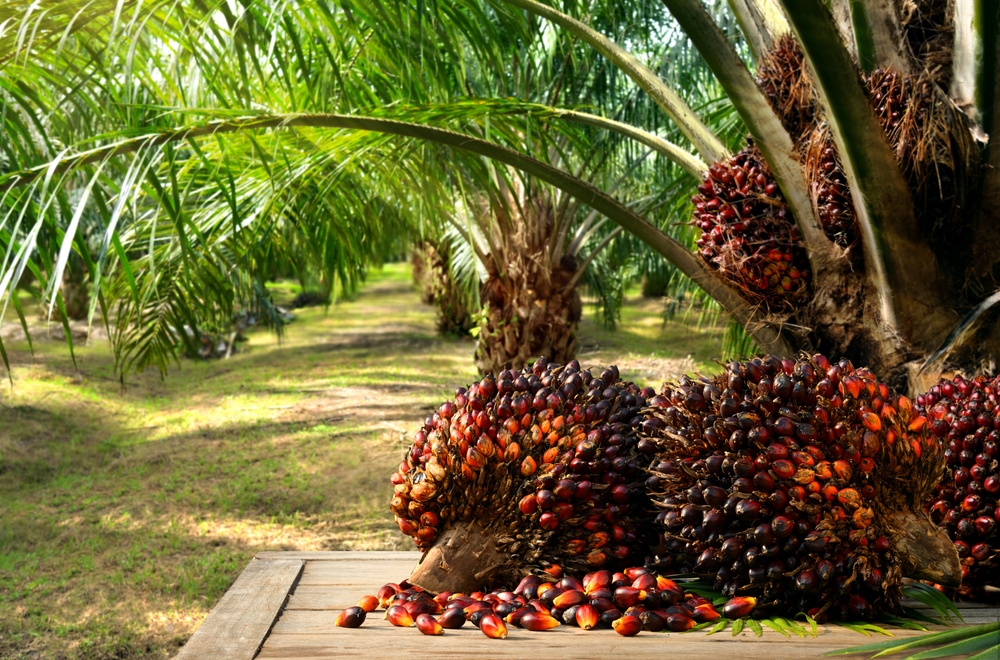
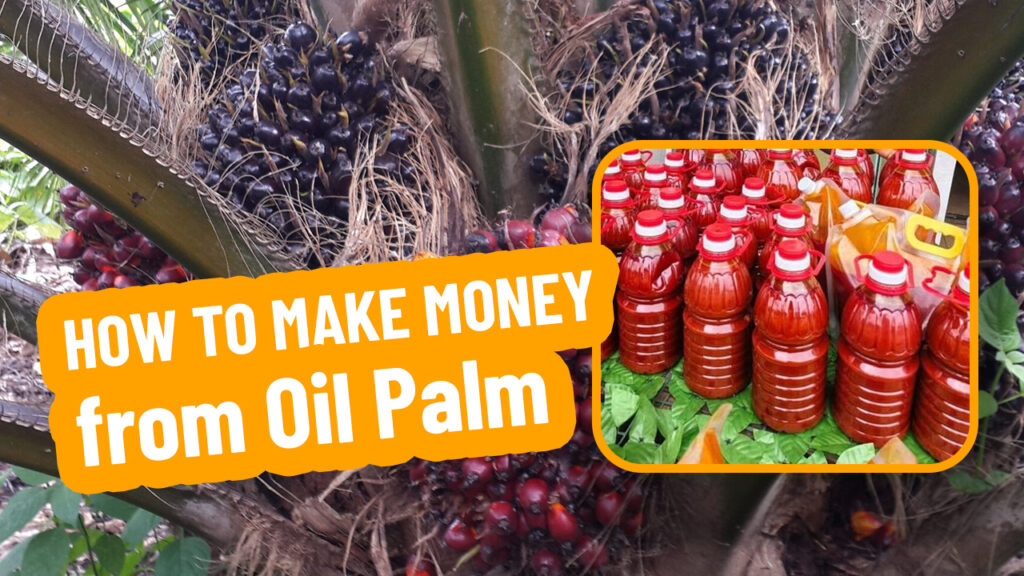
Palm oil remains the world’s most consumed vegetable oil, with uses spanning food, cosmetics, biofuel, and industrial products.
An oil palm plantation can produce up to 4 to 5 tons of oil per hectare annually, which is far higher than the 1.5–2 tons from coconut plantations. This high yield translates into faster returns, making palm oil farming an attractive choice for investors who prioritize quick profitability.
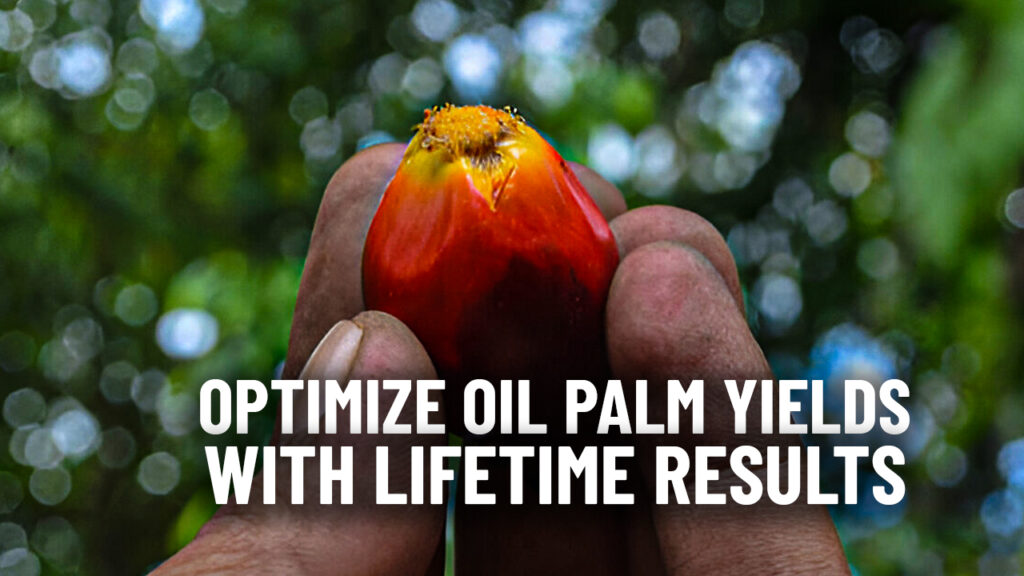
Oil palm begins to yield after 3–4 years, and with proper management, continues for 25–30 years.
Comparing Investment Costs and Returns
Cost Structure
Coconut farming typically requires less intensive care after establishment, making it cheaper to maintain in the long term. However, the initial setup—including irrigation and nursery—can be moderately high.
Palm oil farming, by contrast, involves higher startup costs—nursery setup, fertilizers, and maintenance are more demanding—but the higher yield often offsets these expenses within a few years.
Return on Investment (ROI)
For every hectare:
-
Oil Palm Farming can generate 4x the yield of coconut during peak years.
-
Coconut Farming offers more diversified revenue streams and stable market prices.
Investors who combine both crops under one portfolio benefit from early palm oil profits and long-term coconut stability—a strategy that balances risk and reward effectively.
Market Trends and Global Demand
The global palm oil market is valued in billions of dollars annually, driven by food manufacturing and export to major economies. However, it faces environmental criticisms that sometimes lead to regulatory restrictions.
Coconut oil, on the other hand, continues to enjoy positive consumer perception. Health trends like ketogenic diets, organic skincare, and vegan food production have skyrocketed its demand.
In the long term, coconut oil holds an edge in brand perception, while palm oil dominates in volume and production efficiency.
Processing and Value Addition: Where the Real Money Lies
The secret to maximizing profits lies in value addition.
-
For palm oil, setting up a small-scale processing mill can multiply earnings through refined oil, palm kernel oil, and industrial by-products.
-
For coconut, processing into virgin coconut oil, coconut milk, or activated charcoal from shells can boost profit margins significantly.
Investors in agro real estate who partner with processing facilities or build their own can expect returns 2–3 times higher than those selling raw produce.
Sustainability and Long-Term Security
Both crops are sustainable when properly managed, but coconut trees have a longer lifespan—up to six decades of productivity. Oil palms, while shorter-lived, offer denser output per acre, which is ideal for investors with limited land.
In terms of environmental sustainability, coconut farming has a smaller carbon footprint, giving it an advantage among eco-conscious investors.
Which Crop Wins the Profit Battle?
When comparing direct profitability:
-
Palm oil provides higher short-term yields and quicker returns.
-
Coconut oil ensures stable, diversified, and long-term earnings with less volatility.
For maximum benefit, agro real estate investors should consider a dual investment approach—allocating part of their portfolio to oil palm for short-term returns, and coconut for long-term value appreciation.
Final Thoughts
The most successful investors in today’s agricultural economy are those who understand balance and diversification. While palm oil offers high yields and faster income, coconut ensures stability, sustainability, and a growing health-driven market.
If you’re ready to build lasting wealth through profitable tropical crops, now is the best time to act.
Silvawell Limited offers investors the opportunity to secure premium agro real estate dedicated to oil palm and coconut farming—strategically located, expertly managed, and designed for long-term profitability.
Start your journey toward agricultural wealth today.
Invest with Silvawell Limited — where your land grows value, and your investment grows legacy.


