


The conversation around tropical agriculture has evolved. Today, it’s not just about profit—it’s about planet and people. Investors now want to know not only how much they can earn from coconut or oil palm farming but also how these crops impact the environment and contribute to a sustainable future.
As global awareness about climate change grows, the role of agro real estate becomes even more critical. Farmland is no longer just a source of food and income—it’s a tool for carbon balance, biodiversity protection, and long-term environmental renewal.
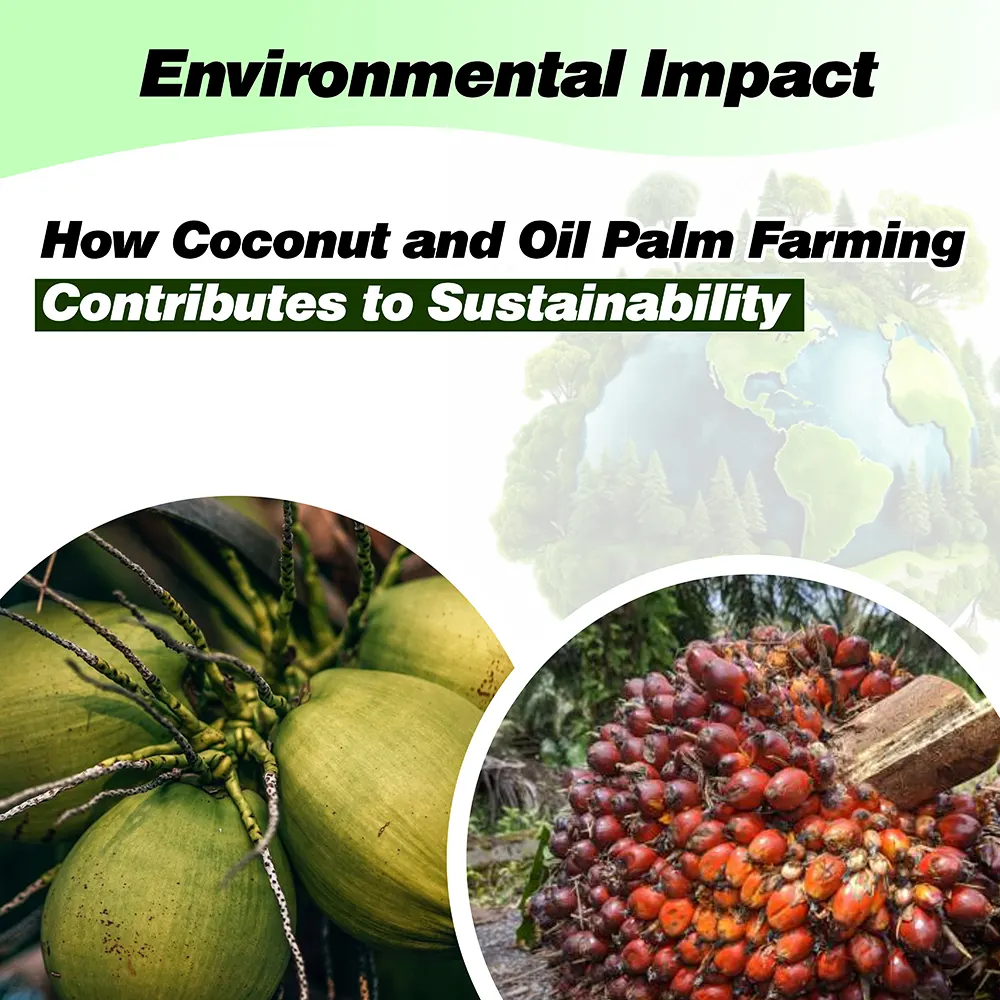
In this article, we’ll explore how coconut and oil palm farming affect the environment, and why investing responsibly through Silvawell Limited is both profitable and planet-friendly.
Understanding Sustainability in Tropical Agriculture
Sustainability means maintaining productivity without destroying the natural systems that support it. In simple terms, it’s farming that ensures the land remains fertile, forests remain alive, and communities continue to thrive for generations.
Both coconut and oil palm are tropical giants—but their stories in sustainability differ.
-
Oil Palm has often been criticized for deforestation in some countries. However, new farming models and responsible land-use strategies are changing that narrative.
-
Coconut Farming, by contrast, has long been viewed as eco-friendly, thanks to its adaptability, low input needs, and compatibility with mixed farming systems.
When properly managed, both can serve as models for regenerative agriculture—systems that not only produce but also restore.
Coconut Farming: Nature’s Gentle Producer
Low Environmental Footprint
Coconut trees are among the most climate-resilient crops on earth. They thrive in sandy, coastal, and even saline soils where few other crops can grow. This natural adaptability means minimal irrigation, lower fertilizer demand, and less soil degradation.
Coconuts also act as natural windbreakers, protecting coastal communities from erosion and storms—a powerful example of how farming can double as environmental protection.
Carbon Absorption and Biodiversity
A single hectare of mature coconut trees can absorb up to 15 tons of CO₂ annually, helping offset greenhouse gas emissions. Because they don’t require large-scale deforestation, coconut plantations often support intercropping with other plants, preserving biodiversity and soil life.
Farmers can grow pineapples, legumes, or cacao beneath coconut trees, creating layered ecosystems that improve yield per hectare while maintaining ecological balance.
Sustainable Product Cycle
Every part of the coconut is usable—the husk for coir fiber, shell for charcoal, water for health drinks, and oil for multiple industries. This zero-waste model makes coconut farming one of the world’s most resource-efficient agricultural systems.
Oil Palm Farming: Transforming Reputation Through Responsibility
The Historical Concern
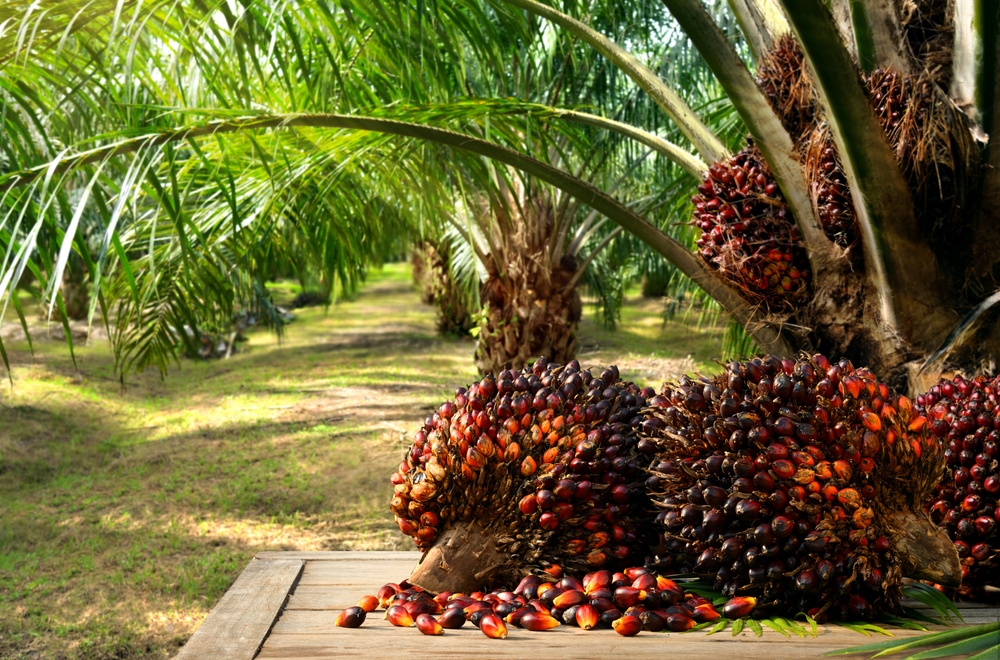
It’s no secret that oil palm plantations have been linked to deforestation in Southeast Asia. However, much of this came from unregulated expansion and poor management, not the crop itself. When properly cultivated on existing farmland, oil palm can be one of the most sustainable oil sources on earth.
Yield Efficiency and Land Optimization
Oil palm produces 4 to 10 times more oil per hectare than any other oil crop, including soybean or sunflower. This means less land is needed to produce the same volume of oil, reducing pressure on forests.
In Africa, especially under companies like Silvawell Limited, oil palm cultivation focuses on rehabilitating idle or underutilized lands, not clearing virgin forests. This approach ensures productivity without compromising natural habitats.
By-Product Recycling and Renewable Energy
Modern oil palm processing plants are now designed to recycle waste materials—such as palm kernel shells and empty fruit bunches—into organic fertilizers or bioenergy. These innovations drastically reduce pollution and promote a circular agricultural economy.
Oil palm, once seen as environmentally problematic, is now evolving into a symbol of regenerative, high-yield farming when handled with expertise and accountability.
Comparing Coconut and Oil Palm Sustainability
| Factor | Coconut Farming | Oil Palm Farming |
|---|---|---|
| Water Usage | Low | Moderate |
| Carbon Sequestration | High | Very high |
| Land Use Efficiency | Moderate | Excellent |
| Biodiversity Impact | Positive | Neutral to positive (with responsible management) |
| Waste Recycling | 90% usable | 80–85% reusable |
| Soil Health | Preserved naturally | Requires management inputs |
From this comparison, it’s clear that both crops can coexist as part of a sustainable agro real estate ecosystem. Coconut offers gentle, long-term ecological benefits, while oil palm provides exceptional productivity within a managed, circular system.
Agro Real Estate: The Sustainable Wealth Model
The future of agricultural investment lies in sustainable agro real estate—an approach that merges land ownership, food production, and environmental stewardship into one profitable system.
Unlike traditional farming, agro real estate managed by Silvawell Limited integrates:
-
Renewable farming methods that protect soil and water
-
Reforestation and biodiversity projects alongside plantation layouts
-
Efficient use of land for maximum output per hectare
-
Long-term maintenance to ensure ecological stability
This approach ensures that every investor not only earns profits but also contributes to the planet’s recovery.
Why Sustainable Farming Is the Future of Investment
Investors today face a choice: chase short-term profit or build long-term value that sustains both people and planet. As global consumers demand eco-friendly oils, organic cosmetics, and ethically sourced ingredients, markets increasingly reward sustainability with premium pricing.
Coconut oil and palm oil—when grown responsibly—fit perfectly into this shift. Companies and nations are seeking reliable sources that meet international sustainability standards. Investors who align with this movement early are positioning themselves for decades of consistent demand and value growth.
Investing Responsibly with Silvawell Limited
Sustainability begins with the right partner. Silvawell Limited is committed to transforming tropical farmland into eco-conscious, income-generating estates that meet both global standards and local community needs.
Every project is built on principles of:
-
Regenerative cultivation, restoring soil and reducing emissions
-
Efficient land use, avoiding deforestation or ecological harm
-
Transparent reporting, ensuring investors see the social and environmental impact of their farms
-
Community partnership, empowering local farmers with fair income and training
Through coconut and oil palm farming, Silvawell Limited gives investors the chance to grow wealth while healing the environment—a win-win for both profit and planet.
A Greener Path to Prosperity
The new face of wealth is green. The investors of tomorrow will be those who combine economic intelligence with environmental consciousness.
By investing in coconut and oil palm projects with Silvawell Limited, you take part in a model that restores ecosystems, creates jobs, and generates consistent financial returns—all from the same hectare of land.
Your investment today can create both income and impact for decades to come.
Choose Silvawell Limited. Grow sustainably. Earn responsibly.


