


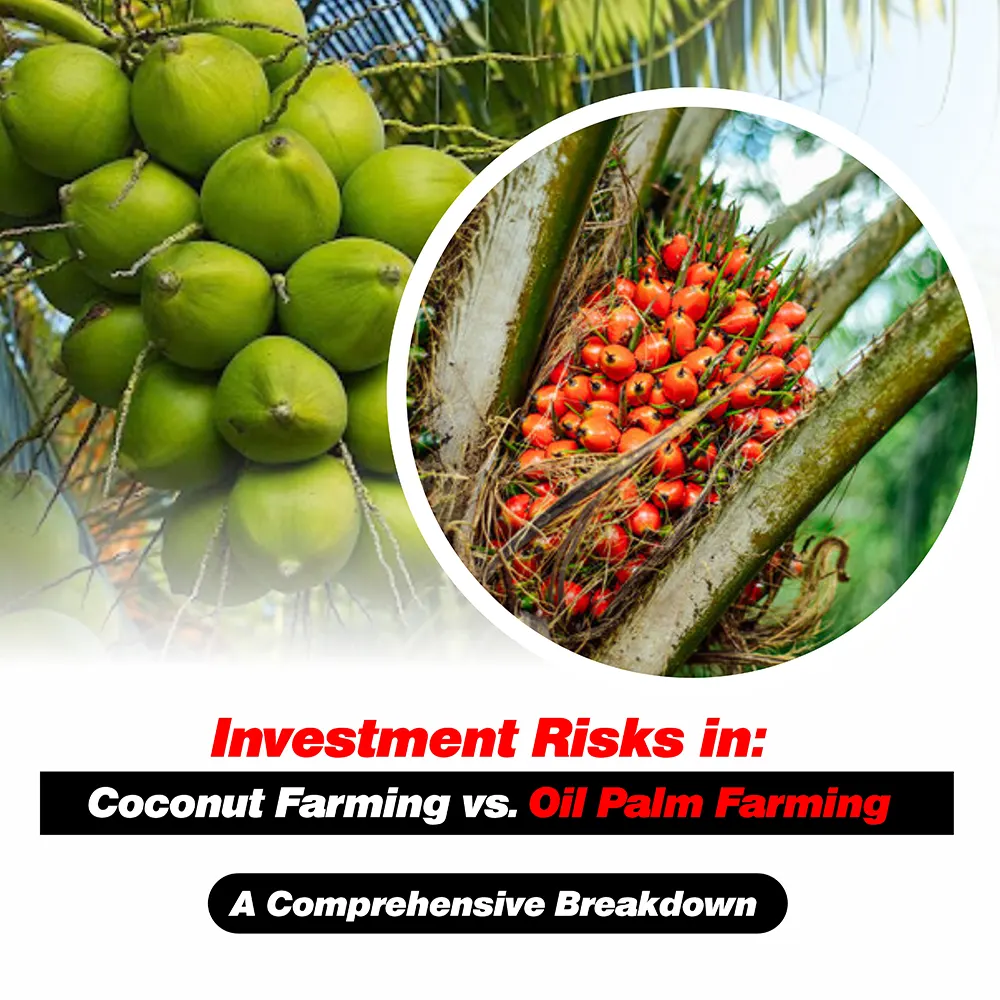
Every form of investment carries some level of risk — and agriculture is no exception. But unlike speculative markets, agro real estate investments offer something more tangible: ownership of productive land and long-term value creation.
However, when it comes to coconut and oil palm farming, investors must understand the different risk profiles of each crop before committing capital. While both industries promise impressive returns, they also come with unique operational, market, and environmental challenges that must be carefully managed.
This article breaks down these risks, compares them side-by-side, and shows how strategic partnerships with companies like Silvawell Limited can help investors navigate the complexities of sustainable agro real estate investments in Nigeria.
Understanding the Nature of Agricultural Risk
Agriculture operates at the mercy of nature, markets, and management efficiency. From fluctuating global prices to unpredictable weather, investors must think long-term.
However, the key to success lies in risk diversification — selecting the right crop, adopting sustainable practices, and leveraging expert-managed farmland rather than going solo.
Let’s look at how both coconut and oil palm farming perform when these factors are placed under the microscope.
Market Volatility and Price Fluctuations
Both coconut and oil palm markets are influenced by global demand, export trends, and substitute products.
Coconut Farming
The demand for coconut products — oil, water, milk, and husk derivatives — has skyrocketed in recent years, driven by health and wellness trends. However, this also makes coconut farming sensitive to consumer behavior shifts.
Price dips may occur if global supply outpaces demand, or if processing facilities in producing regions fail to keep up with export quality standards.
Oil Palm Farming
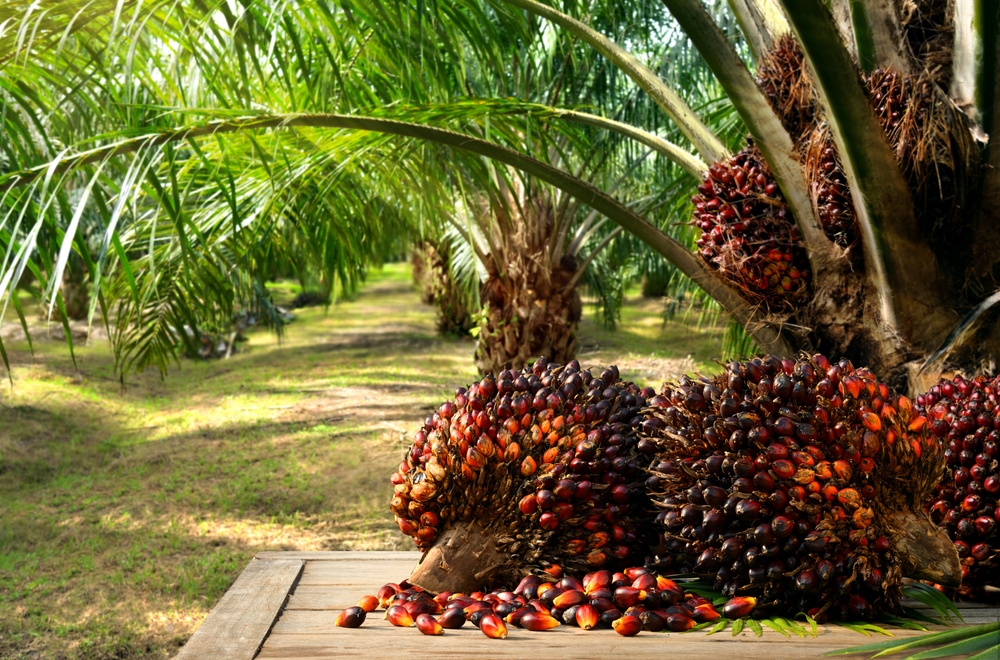
Palm oil, on the other hand, is one of the world’s most traded vegetable oils. It enjoys consistent industrial demand, but prices can swing sharply due to global trade policies, labor costs, and environmental regulations.
For Nigerian investors, this means that while returns can be high, they also depend on market timing and efficient farm management to maintain profitability even when prices fluctuate.
Production and Operational Risks
Operational challenges often determine whether a farm thrives or fails.
Oil Palm Farming
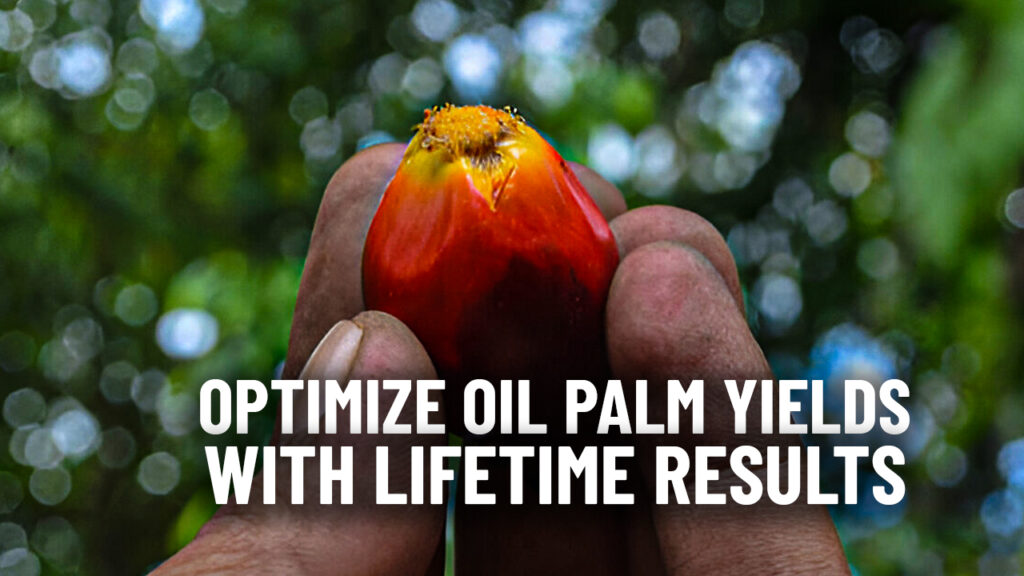
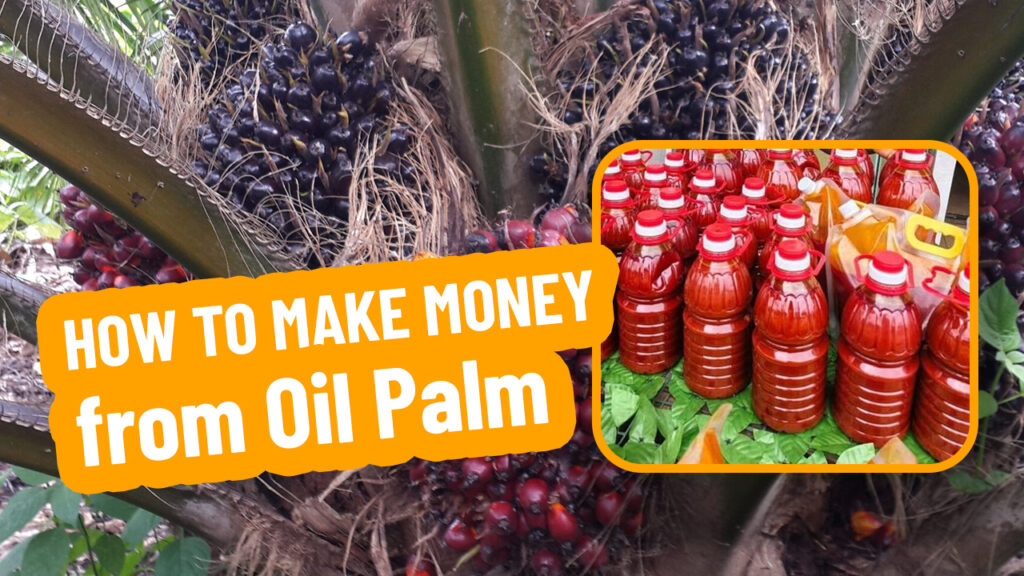
Oil palm cultivation requires significant upfront investment — land clearing, nursery setup, and plantation maintenance — before the first harvest (usually after 3–4 years). This long gestation period can test investor patience.
Pests like bagworms, fungal diseases, and poor soil management can also reduce yields if not professionally handled.
Coconut Farming
Coconut trees are more resilient but grow slowly, reaching full maturity between 5–7 years. The primary operational risk lies in low productivity from old or unselected tree varieties.
Additionally, the availability of skilled harvesters and proper irrigation can make or break a farm’s performance.
This is why structured agro real estate firms like Silvawell Limited provide a managed model — allowing investors to earn from professionally operated farmland without directly handling farm logistics.
Climate and Environmental Risks
Nigeria’s tropical climate supports both crops, but environmental changes can disrupt productivity.
Oil palms need consistent rainfall, while coconut palms thrive in slightly drier, coastal zones. Erratic rainfall, drought, or flooding can reduce yield, especially for farms lacking irrigation or proper drainage systems.
However, both crops are perennial, which means that once established, they can recover from short-term stress and continue producing for decades.
Forward-thinking companies now integrate climate-smart farming techniques, such as:
-
Drip irrigation systems
-
Organic mulching
-
Soil monitoring sensors
-
Strategic tree spacing for water conservation
These innovations turn potential risks into manageable variables — a key part of Silvawell Limited’s farming model.
Economic and Policy Risks
Agriculture doesn’t exist in isolation from the economy. Government policies, import/export restrictions, and currency fluctuations can affect profits.
For instance, a sudden change in export tariffs on palm oil could shift market dynamics overnight. Similarly, poor infrastructure may increase transportation costs.
Yet, this is also where agro real estate becomes powerful: investors own appreciating land assets. Even if short-term returns fluctuate, the land itself continues to gain value — providing a layer of financial security uncommon in traditional investments.
Management and Human Capital Risks
Farming is not a “set-and-forget” business. Many private investors lose money simply because their farms lack expert management.
Oil palm and coconut plantations require:
-
Regular pruning and weeding
-
Efficient harvesting cycles
-
Pest and disease monitoring
-
Skilled labor and supervision
Without structured systems, small-scale farms suffer losses. This is why Silvawell Limited prioritizes end-to-end management, ensuring each investor’s property is maintained by trained agronomists and field experts.
Comparing Risk Exposure
| Risk Factor | Coconut Farming | Oil Palm Farming |
|---|---|---|
| Gestation Period | Longer (5–7 years) | Shorter (3–4 years) |
| Climate Sensitivity | Moderate | High |
| Price Stability | Fairly Stable | Volatile |
| Maintenance Cost | Moderate | Higher |
| Long-Term ROI | Consistent | Higher potential but riskier |
| Land Appreciation | High | High |
While oil palm may offer faster returns, coconut farming remains the more stable and eco-resilient option over time. The choice depends on your risk appetite — whether you prefer steady growth or aggressive expansion.
Investing with Confidence Through Silvawell Limited
At the heart of every successful agricultural venture is effective risk management. Silvawell Limited helps investors mitigate exposure through its Agro Real Estate model, which blends farmland ownership, professional management, and sustainability.
Each investment package is backed by:
-
Verified land titles
-
Transparent operational reporting
-
Diversified crop strategies (including both coconut and oil palm)
-
Modern irrigation and eco-friendly systems
By aligning expertise with innovation, Silvawell ensures that every hectare delivers value — not just for the investor, but also for the environment and local communities.
Planting Seeds for a Secure Future
Every investment carries uncertainty. But when your capital is rooted in fertile soil, managed by professionals, and designed for sustainability — you aren’t just investing in crops; you’re investing in legacy.
Coconut and oil palm farming remain two of Nigeria’s most promising sectors, especially under structured management models like those pioneered by Silvawell Limited.
If you’ve ever dreamed of owning productive farmland that grows in value and impact, now is the time to act. Partner with Silvawell Limited and be part of Nigeria’s next wave of sustainable agricultural wealth — built not on speculation, but on soil, structure, and smart strategy.


