


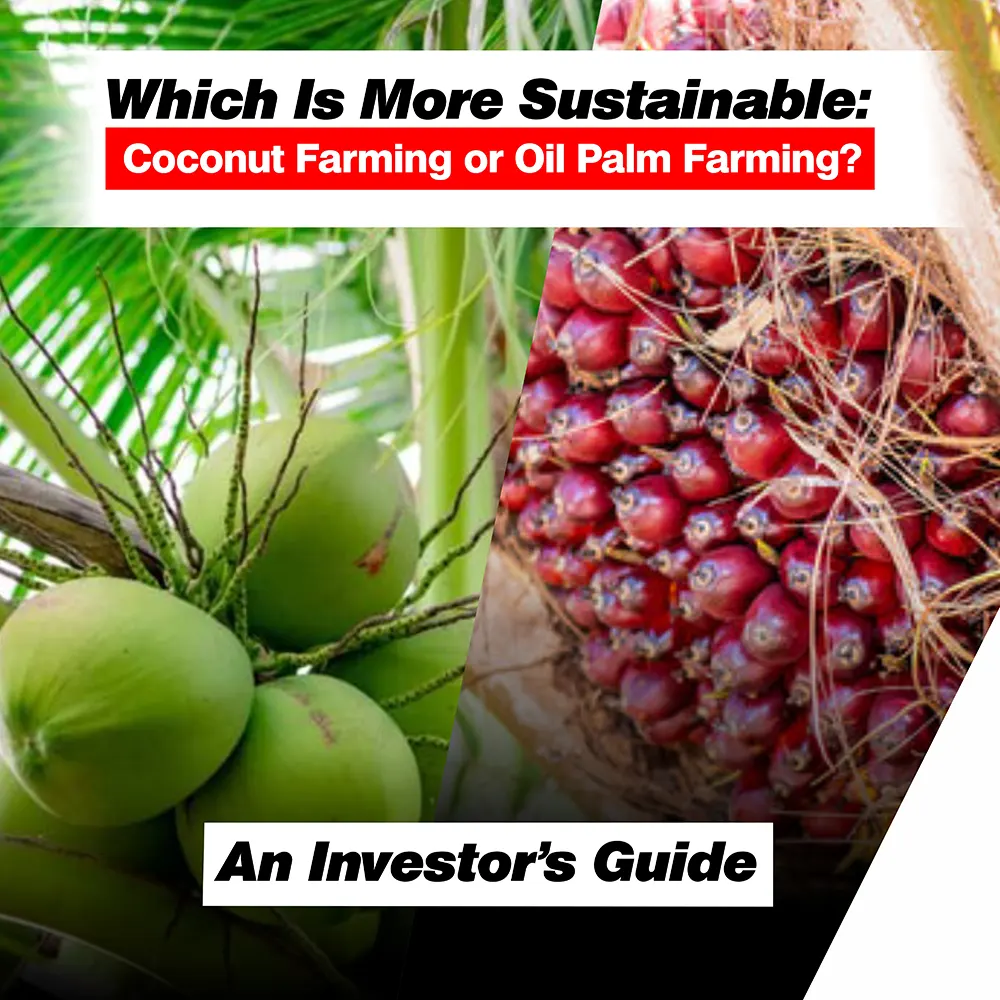
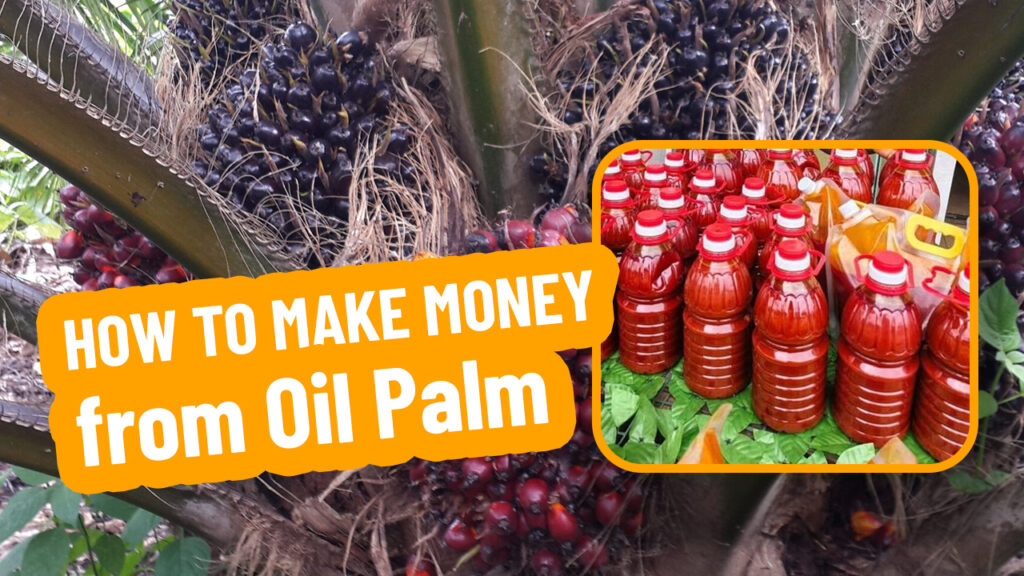

Sustainability has become one of the defining factors for modern investors in the agro real estate space. As environmental awareness grows globally, more people are asking — which farming venture creates wealth without harming the planet? When it comes to long-term agricultural investments, two crops dominate the conversation: coconut and oil palm.
Both are profitable, resilient, and vital to Africa’s agricultural economy. However, their environmental impact, management style, and long-term sustainability differ in ways every investor should understand.
This guide helps you compare both crops from a sustainability and profitability perspective, so you can make an informed investment decision that benefits both your finances and the environment.
Understanding Sustainable Agro Real Estate
Sustainable agro real estate means developing farmland in a way that balances profitability with environmental care. It focuses on soil health, water conservation, reforestation, and long-term productivity — ensuring that the land remains fertile and valuable for decades.
Coconut and oil palm farming both fall under the category of tree crop investments, meaning they contribute to carbon absorption, rural employment, and biodiversity preservation when managed correctly.
The Case for Coconut Farming Sustainability
Environmentally Friendly Growth Patterns
Coconut trees are known for being gentle on the environment. They thrive in mixed farming systems and can be intercropped with crops like cassava, maize, and vegetables. This allows farmers to generate additional income while improving soil fertility and reducing erosion.
Low Land and Water Demand
Unlike oil palm, coconuts require less deforestation and less intensive water use. The trees are naturally resistant to drought, and their leaf litter helps enrich the soil organically, reducing the need for chemical fertilizers.
Contribution to Climate Mitigation
Each mature coconut tree absorbs carbon dioxide and releases oxygen, contributing to global carbon balance. When developed responsibly under agro real estate projects, coconut plantations help reverse desertification and promote green investment practices.
The Case for Oil Palm Farming Sustainability
Efficient Land Use and High Yield per Hectare
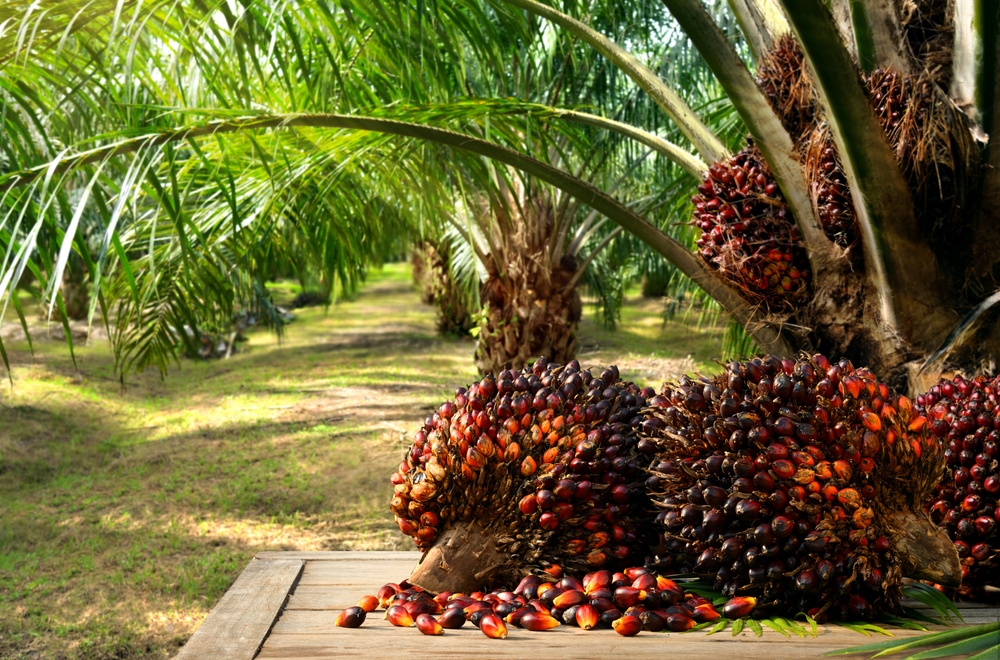
While oil palm has faced global criticism for deforestation, it remains one of the most land-efficient crops in the world. A single hectare of oil palm produces 4 to 10 times more oil than any other vegetable oil crop. This means less land is needed to produce the same output, which supports land-use efficiency when properly managed.
Emerging Sustainable Practices
Modern oil palm farming in Nigeria and Africa is moving toward certified sustainable models. Organizations like SilvaWell Limited focus on responsible land clearing, replanting programs, and zero-waste policies — ensuring that palm oil production supports both profit and planet.
Economic Sustainability
Oil palm farming supports thousands of rural jobs and smallholder farmers, providing income stability and local economic development. By aligning profit with people and planet, it remains a cornerstone of sustainable agro real estate.
Comparing Environmental Impact
| Factor | Coconut Farming | Oil Palm Farming |
|---|---|---|
| Land Use | Minimal, supports intercropping | High, but efficient oil yield |
| Water Consumption | Low | Moderate |
| Soil Impact | Improves soil quality | Requires soil management |
| Carbon Footprint | Absorbs CO₂ naturally | Neutral to low with modern practices |
| Deforestation Risk | Very low | Moderate if unmanaged |
From the table above, it’s clear that coconut farming is naturally less demanding on the environment, while oil palm farming can be equally sustainable when backed by strong environmental governance.
Long-Term Sustainability Outlook
Coconut farming offers long-term soil health and biodiversity benefits, making it attractive for eco-conscious investors. Oil palm, however, provides unmatched economic sustainability, especially when implemented with proper waste management, hybrid seedlings, and reforestation efforts.
Both crops can be sustainable — the difference lies in who manages the project and how it’s developed. This is where partnering with an expert like SilvaWell Limited makes all the difference.
How SilvaWell Limited Ensures Sustainable Farming
At SilvaWell Limited, sustainability is built into every project. We use responsible land acquisition, soil enrichment, hybrid seedlings, and efficient irrigation to ensure long-term productivity.
Our goal is to create agro real estate projects that generate wealth, restore the environment, and empower communities — one plantation at a time. Whether coconut or oil palm, our approach ensures environmental protection and economic prosperity coexist.
Conclusion: Invest in Sustainability, Invest with SilvaWell Limited
If you care about both profitability and the planet, coconut and oil palm farming offer an incredible opportunity to make a difference. Coconut farming leans toward natural environmental sustainability, while oil palm farming ensures strong industrial and economic impact when done right.
Now is the time to put your capital to work for both the earth and your future.
Invest in sustainable coconut or oil palm farming with SilvaWell Limited — where green innovation meets lasting profit.


