


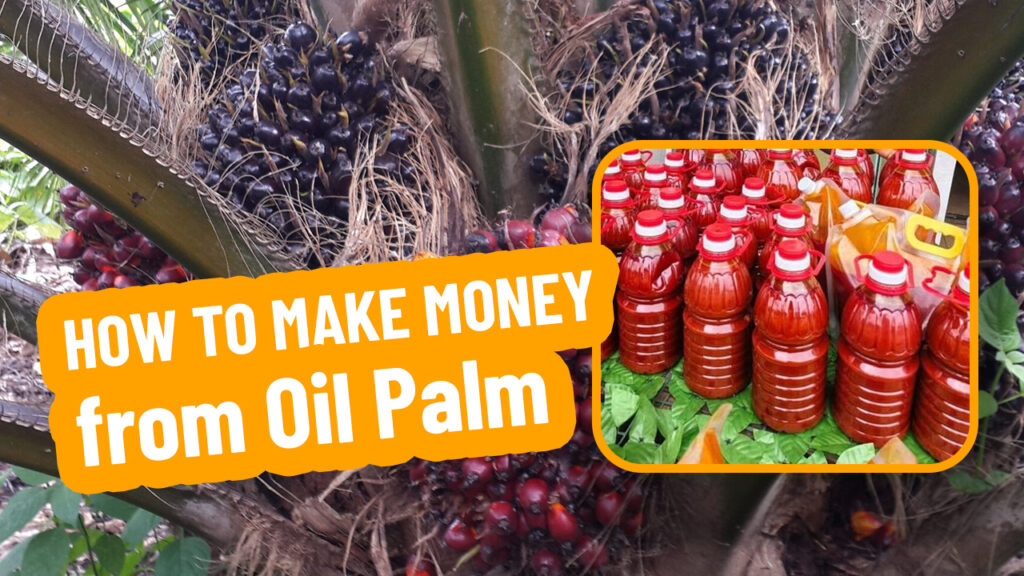
One of the most important questions any serious investor asks before committing capital is simple: what are the returns? Not the optimistic headline figures, not the best-case scenario — the realistic, honest, documented picture of what your investment is likely to produce over time.
This article answers that question for oil palm agro-real estate investment in Nigeria. We will walk through the full return-on-investment picture for a managed oil palm estate — covering income timelines, the sources of return, the factors that influence yield, and a clear breakdown of SilvaWell’s three investment packages with their associated pricing and return profile.
By the end, you will have a clear, evidence-based understanding of what oil palm investment ROI in Nigeria actually looks like — and why it compares favourably to most other asset classes accessible to Nigerian investors.
Understanding ROI in Agricultural Investment: It Is Not a Single Number
Before discussing figures, it is important to reframe how ROI works in agricultural investment. Unlike a fixed deposit account, oil palm investment does not produce a predictable annual percentage yield that you can calculate to the decimal point before you invest. Agricultural returns are influenced by market prices, weather, management quality, and the biological growth cycle of the trees.
What you can calculate with reasonable confidence is the structure of returns — when income begins, how it grows, what drives it, and what its trajectory looks like over the 25 to 30-year productive life of the trees. That structural understanding is more valuable than a single headline number, because it allows you to make an informed investment decision with realistic expectations.
Oil palm investment ROI has three distinct components, and all three must be understood together:
- Agricultural income — the recurring cash income from fresh fruit bunch (FFB) sales, plantain intercrop sales, and palm kernel sales
- Land appreciation — the increase in the underlying value of your titled agricultural land in Edo State over time
- Inflation hedge value — the protection your investment provides against naira depreciation, since agricultural commodities typically rise with or above inflation
Each of these components is real. Each contributes to your total return. And each works on a different timeline.
The ROI Timeline: What to Expect, Year by Year
Oil palm investment follows a defined biological timeline. Understanding this timeline is essential to setting the right expectations and making the right investment decision.
| Year | 1-Acre Estate | 2-Acre Estate | 3-Acre Estate | Primary Income Source |
|---|---|---|---|---|
| Year 1–2 | Plantain income begins | Plantain income begins | Plantain income begins | Plantain intercrop |
| Year 3 | First FFB harvest | First FFB harvest | First FFB harvest | Oil palm FFB + plantain |
| Year 4–5 | Rising FFB yield | Rising FFB yield | Rising FFB yield | Oil palm FFB (growing) |
| Year 6–7 | Full production | Full production | Full production | Peak FFB + palm kernel |
| Year 8–25+ | Peak & sustained | Peak & sustained | Peak & sustained | FFB + palm kernel + land value |
📌 Note: The timeline above reflects typical Tenera hybrid performance in Edo State conditions with professional farm management. Actual timing may vary by a season depending on planting date, soil preparation, and rainfall patterns.
Income Stream 1 — Plantain Intercrop (Year 1 Onwards)
One of the most practical and investor-friendly features of a properly managed oil palm estate is the plantain intercrop. During the years before the oil palm canopy closes — typically years 1 through 4 — plantain is grown between the rows of young oil palm trees. This serves two purposes: it generates early income for investors, and it provides ground cover that suppresses weeds and reduces farm management costs.
Plantain is one of Nigeria’s highest-demand food crops. It is consumed across the country in every income bracket and every geographic region — from Lagos hawkers to Abuja restaurants to household kitchens in Benin City. Demand is structural and consistent, which means plantain income from your estate is not subject to the same price volatility as international commodity markets.
The income from plantain intercropping during years 1 through 4 meaningfully reduces the effective cost of your investment’s waiting period. Rather than simply holding an asset that has not yet begun producing oil palm income, you are earning from the land from the first year of farm establishment.
Income Stream 2 — Fresh Fruit Bunches / Palm Oil (Year 3 Onwards)
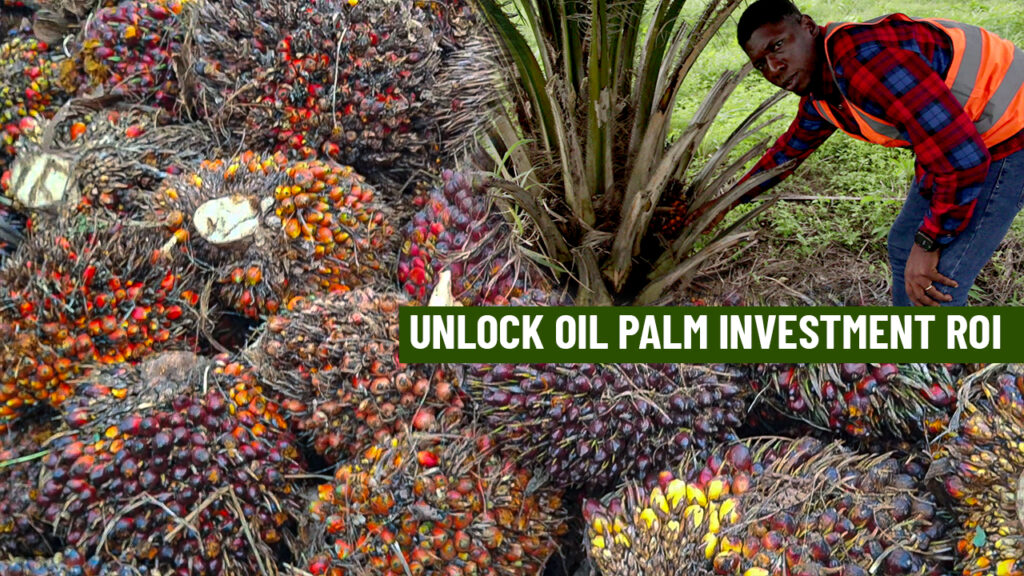
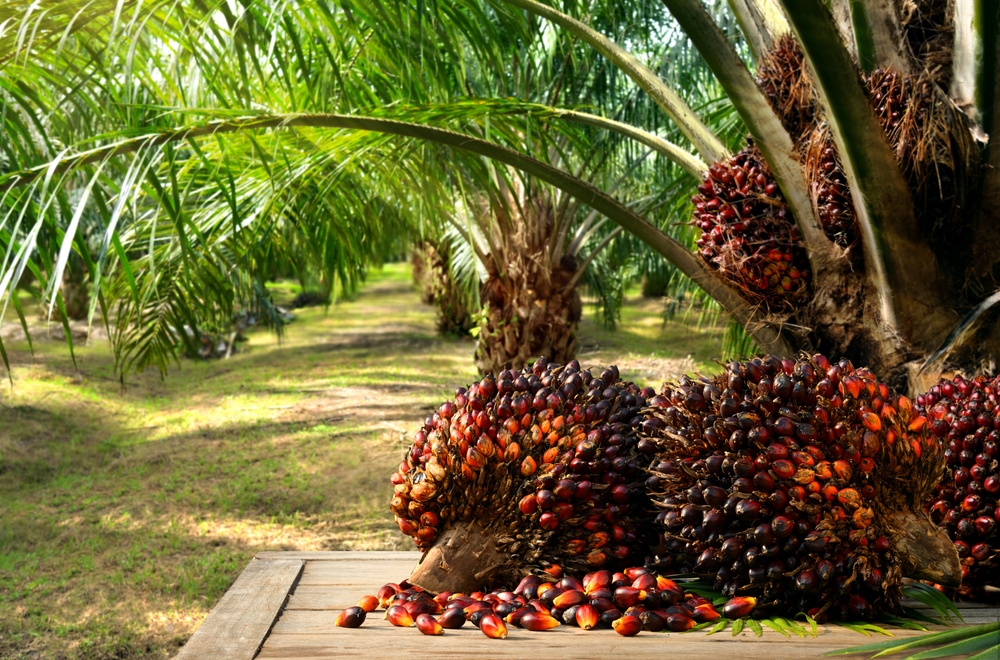
The primary income stream of any oil palm estate is the sale of fresh fruit bunches (FFBs). FFBs are harvested from mature oil palm trees and sold to processing mills, which extract crude palm oil (CPO) and palm kernel oil (PKO) for sale to food manufacturers, cosmetics companies, industrial users, and exporters.
In Nigeria, the FFB market is active and well-established. The Edo State region — where SilvaWell’s estates are located — sits at the heart of Nigeria’s palm oil belt, in proximity to established processing infrastructure including mills operated by commercial players like Presco PLC. This geographic positioning means that harvested FFBs from SilvaWell estates have readily accessible buyers without complex logistics chains.
What Drives FFB Price?
- The current market price of crude palm oil (CPO) in Nigeria — which has consistently trended upward over the past decade in naira terms
- The quality and oil extraction rate (OER) of the FFBs — Tenera hybrid trees, which SilvaWell uses exclusively, produce FFBs with significantly higher OER than Dura varieties, commanding premium pricing at mills
- Harvest timing — FFBs harvested at peak ripeness achieve the best pricing; professional farm management optimises this
- Transportation and logistics efficiency — SilvaWell’s management infrastructure handles this on behalf of investors
As palm oil prices in Nigeria have moved consistently upward with inflation — and in many years ahead of inflation — an investor who acquires an oil palm estate today is effectively locking in an inflation-indexed income stream for the productive life of the trees.
Income Stream 3 — Palm Kernel and By-Products (Year 6 Onwards)
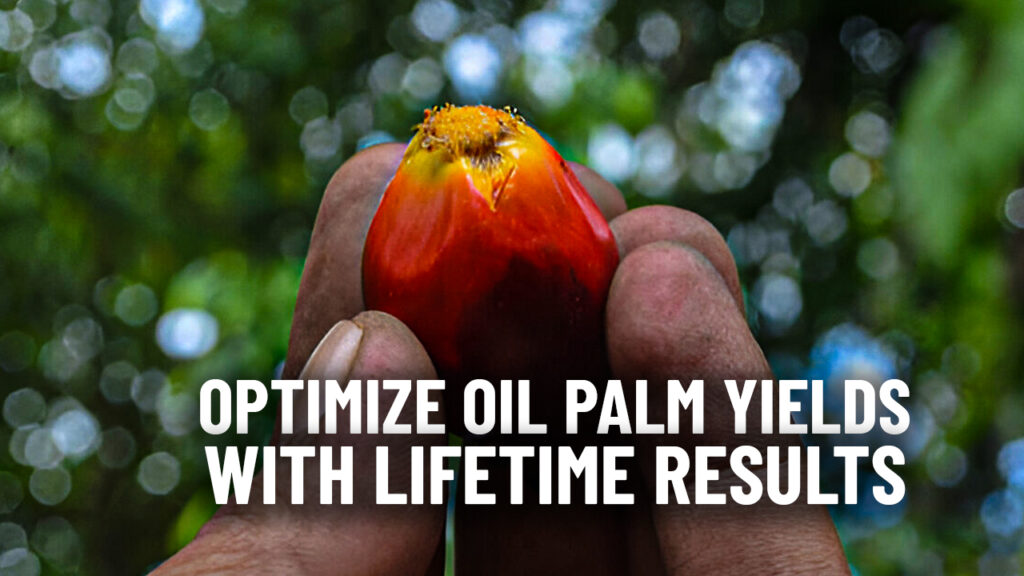
Each oil palm fruit bunch contains not only the fleshy fruit mesocarp that produces crude palm oil, but also a hard nut — the palm kernel — from which palm kernel oil (PKO) is extracted. Palm kernel oil is a separate commodity from crude palm oil, with its own market pricing and its own industrial demand profile.
Palm kernel shells — the hard outer casing of the nut — are also a valuable by-product increasingly used as biomass fuel, a market that is growing in Nigeria as energy costs rise.
For investors in professionally managed estates, the income from palm kernels and by-products represents an additional revenue layer on top of the primary FFB income. While this is typically a smaller percentage of total estate income than FFB sales, it contributes meaningfully to the overall return profile — particularly as the trees reach full maturity in years 6 and 7.
The Land Appreciation Component: Often Overlooked, Always Real
Every discussion of oil palm investment ROI in Nigeria that focuses exclusively on agricultural income is incomplete. The land itself — your titled agricultural plot in Edo State — is an appreciating asset with standalone value independent of what grows on it.
Agricultural land in Edo State has experienced consistent value appreciation over the past two decades. Several structural factors support continued appreciation:
- Increasing demand for agricultural land as Nigeria’s population grows and food production pressures intensify
- Government investment in road and infrastructure improvement in Edo State, which raises land values in areas that become more accessible
- The premium attached to titled, documented land with clean legal status — a category that remains scarce relative to demand in Nigeria
- The increasing recognition of oil palm land as a productive asset by financial institutions, which raises its perceived and market value
For an investor with a 10 to 20-year horizon, the land appreciation component of their total return may prove to be as significant — or more significant — than the accumulated agricultural income. This is an aspect of oil palm investment ROI that is frequently underestimated.
SilvaWell Investment Packages: Pricing and Return Structure
SilvaWell currently offers three managed oil palm estate packages. Each offers the same quality of land, seedlings, and management — differentiated by plot size and, therefore, total investment and total income potential.
| Package | Investment | What’s Included | Income Timeline |
|---|---|---|---|
| 1-Acre Estate | ₦4,550,000 | Titled land, Tenera seedlings, full management, plantain intercrop | Plantain: Year 1. FFB: Year 3. Peak: Year 6–7 |
| 2-Acre Estate | ₦8,800,000 | Titled land, Tenera seedlings, full management, plantain intercrop | Plantain: Year 1. FFB: Year 3. Peak: Year 6–7 |
| 3-Acre Estate | ₦12,800,000 | Titled land, Tenera seedlings, full management, plantain intercrop | Plantain: Year 1. FFB: Year 3. Peak: Year 6–7 |
📌 Note: All packages include: titled agricultural land in Edo State, certified NIFOR Tenera hybrid seedlings, professional farm management from planting through to harvest, plantain intercrop establishment, and ongoing investor communication. Payment structure options are available — speak with the SilvaWell team for details.
The ROI Factors That Work in Your Favour
The following table summarises the key structural factors that make oil palm investment ROI in Nigeria particularly compelling relative to other available asset classes:
| ROI Factor | How It Works in Your Favour |
|---|---|
| Palm oil price inflation | Palm oil prices in Nigeria have consistently risen with broader inflation. As the naira depreciates, FFB values in naira terms increase — making your income naturally inflation-adjusted. |
| Land appreciation | Agricultural land in Edo State has appreciated steadily. Your titled plot has standalone asset value that grows independently of farm income. |
| Intercrop income | Plantain between the rows generates income from Year 1, reducing the effective cost of your waiting period before oil palm production begins. |
| Zero management cost to investor | SilvaWell handles all farm operations. Your time cost is zero. Unlike property investment, there are no tenants to manage, no maintenance emergencies, no agents to pay. |
| 25–30 year productive life | A single investment decision today generates income for up to three decades. The compounding effect of a long-duration productive asset is one of the strongest ROI drivers in agricultural investment. |
Comparing Oil Palm ROI to Other Nigerian Investment Options
No investment exists in isolation. To evaluate oil palm ROI honestly, it must be compared to what else is available to Nigerian investors at comparable capital levels.
Versus bank savings / fixed deposits
Fixed deposit rates at Nigerian commercial banks have historically lagged behind the official inflation rate, meaning money in a fixed deposit account is typically losing purchasing power in real terms. Oil palm investment — particularly when land appreciation is included — has significantly outpaced naira inflation over equivalent time periods.
Versus Lagos residential property
Lagos property has been a reliable long-term wealth builder, but the entry cost has become prohibitive for most investors. A modest property in a mid-tier Lagos location now costs multiples of what a 1-acre or 3-acre oil palm estate costs with SilvaWell — with the added complications of tenants, maintenance, and the Lagos rental market. Oil palm investment offers comparable land appreciation with the addition of recurring agricultural income and far lower management burden.
Versus Nigerian stocks
The Nigerian Exchange Group (NGX) offers genuine long-term wealth-building opportunities for patient investors. However, stocks require active monitoring, carry market volatility risk, and offer no physical, tangible asset backing. Oil palm investment complements a stock portfolio well — it is uncorrelated to equity market movements, provides physical asset security, and generates income from a different economic sector.
Versus cryptocurrency
Cryptocurrency has generated extraordinary returns for some Nigerian investors and devastating losses for others. It is speculative in a way that oil palm investment fundamentally is not. Land and trees do not go to zero. Palm oil does not lose all its value in a market downturn. For investors who want reliable, long-horizon wealth building rather than high-risk speculation, oil palm investment occupies a completely different risk category.
Honest Caveats: What ROI Depends On
A credible ROI discussion must also acknowledge the factors that can affect returns. SilvaWell’s model is designed to manage and mitigate these risks, but investors should understand them:
- Palm oil market prices fluctuate — while the long-term trend is upward, year-to-year prices vary based on global and domestic supply and demand dynamics
- Agricultural production involves weather risk — Edo State’s climate is well-suited to oil palm, but extended dry periods or unusual weather patterns can affect FFB yields in individual years
- Management quality is critical — this is why choosing a credible, experienced, and transparent management company like SilvaWell matters enormously. The difference between professional management and poor management is the difference between a productive and an underperforming estate
- The full return profile requires patience — investors expecting significant returns within the first two years will be disappointed. Oil palm is a long-term investment, and its ROI is most powerful for those who commit to a 10-year-plus horizon
The Bottom Line on Oil Palm Investment ROI in Nigeria
Oil palm agro-real estate investment in Nigeria offers a multi-layered return profile that is difficult to match among asset classes accessible to everyday Nigerian investors. It combines recurring agricultural income across three distinct streams — plantain, fresh fruit bunches, and palm kernel — with structural land appreciation and a powerful inflation-hedging characteristic.
It is not a get-rich-quick investment. It is a get-wealthy-gradually investment. For investors who are serious about building real, lasting, inflation-resistant wealth in Nigeria, it deserves serious consideration as a core component of a diversified portfolio.
SilvaWell’s managed estate model removes the barriers that have historically kept ordinary Nigerians out of commercial agricultural investment — the need for farming expertise, physical presence on the farm, and the operational complexity of managing a working estate. All of that is handled. What you provide is the capital and the patience.


